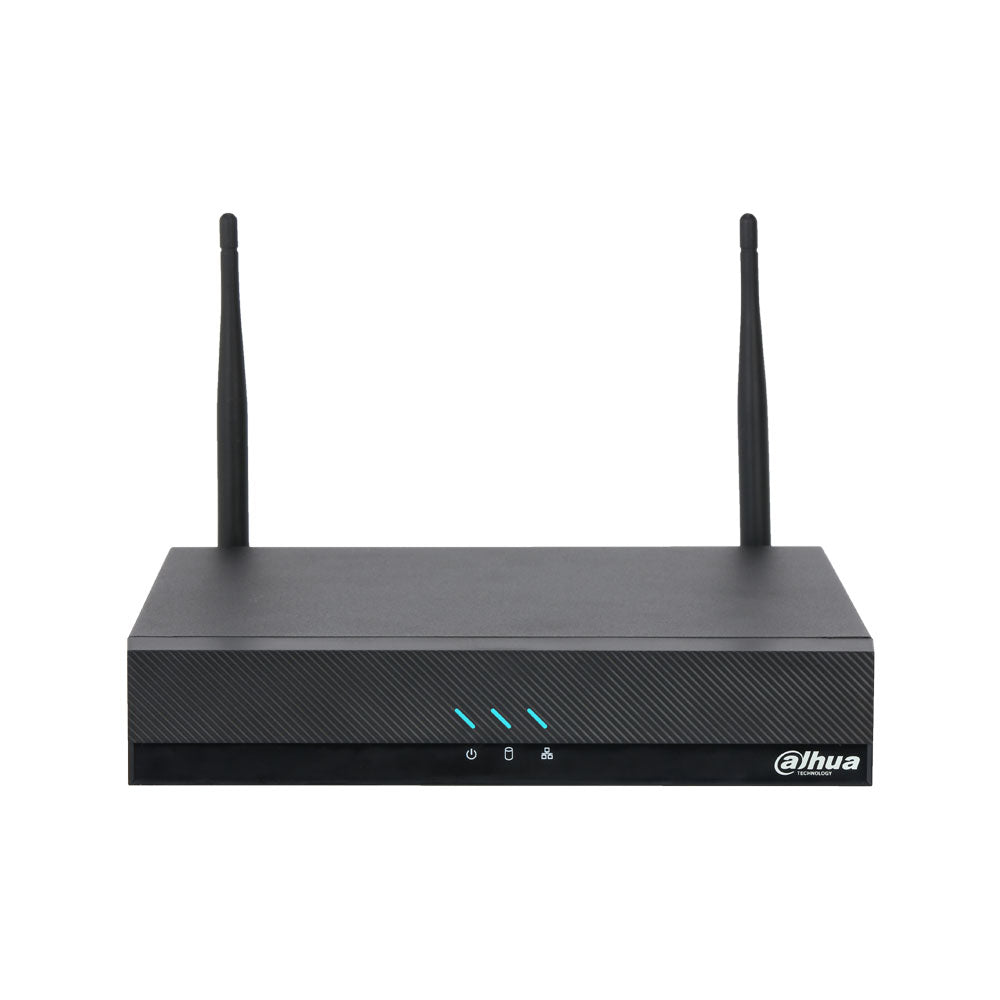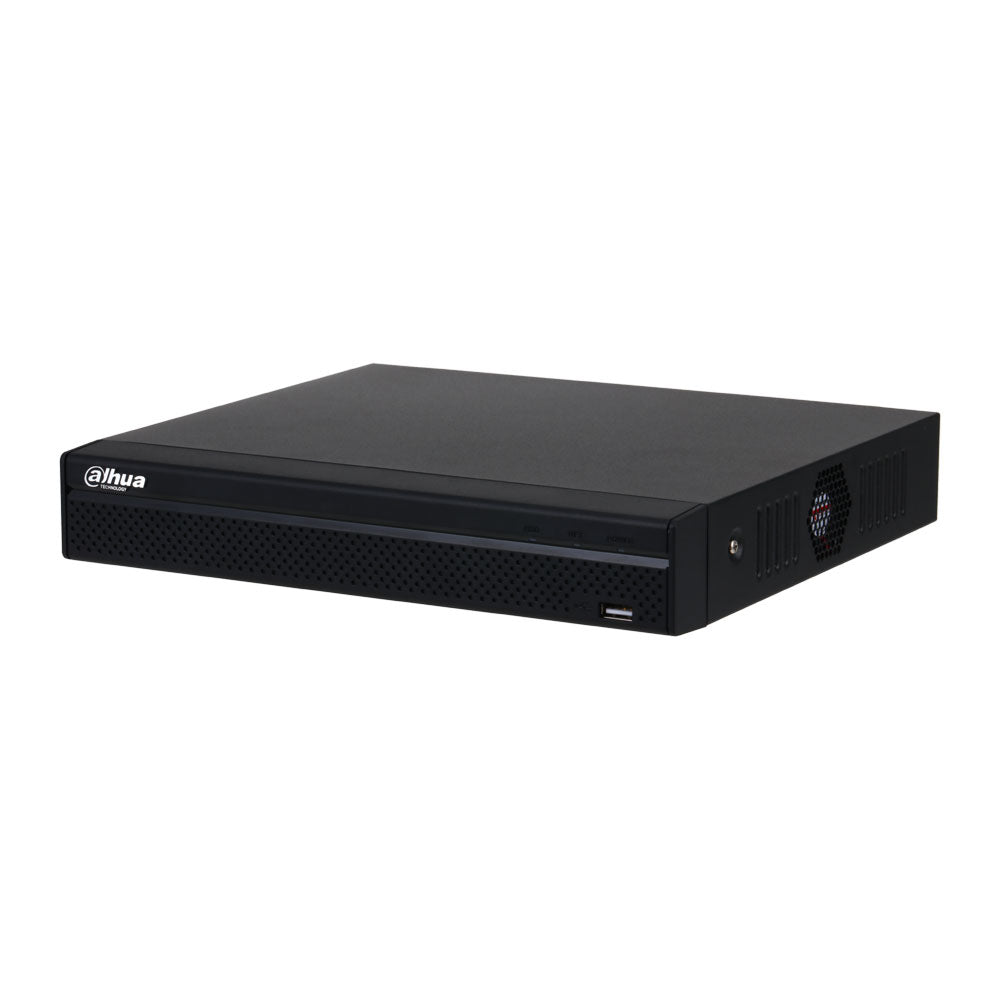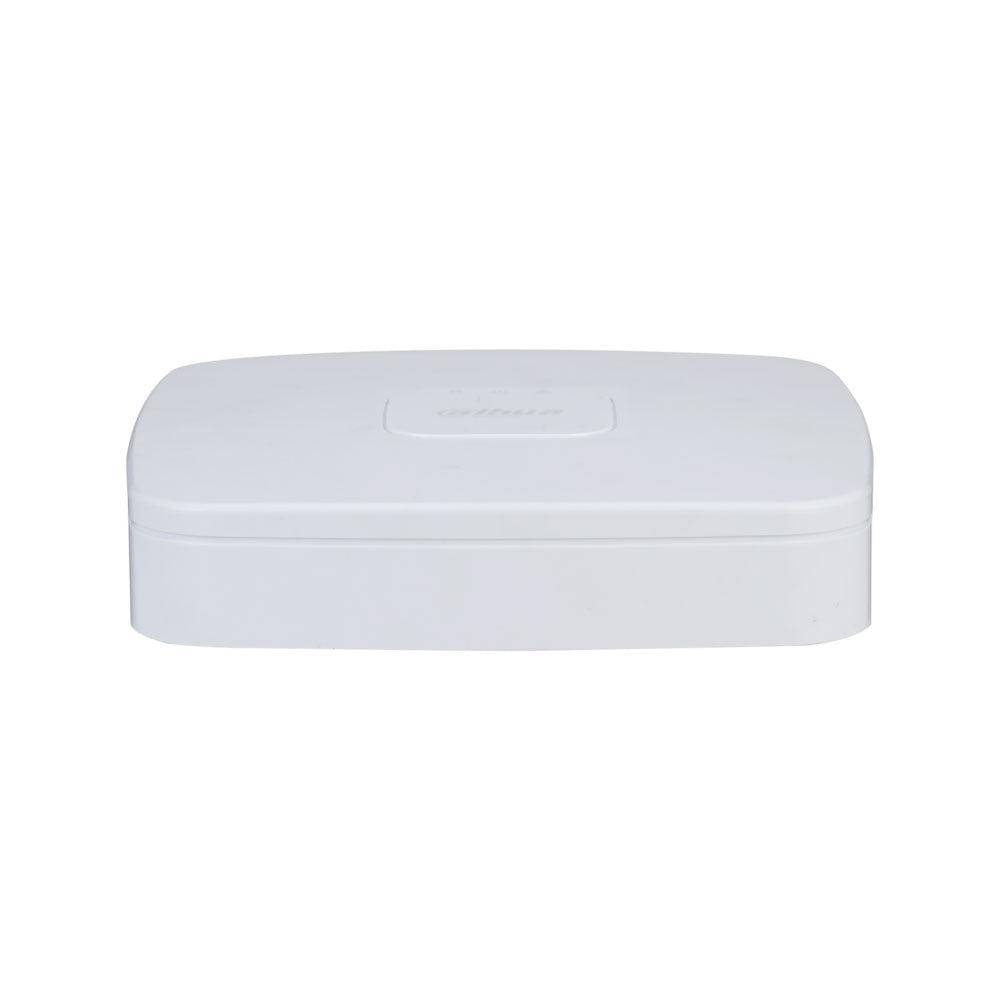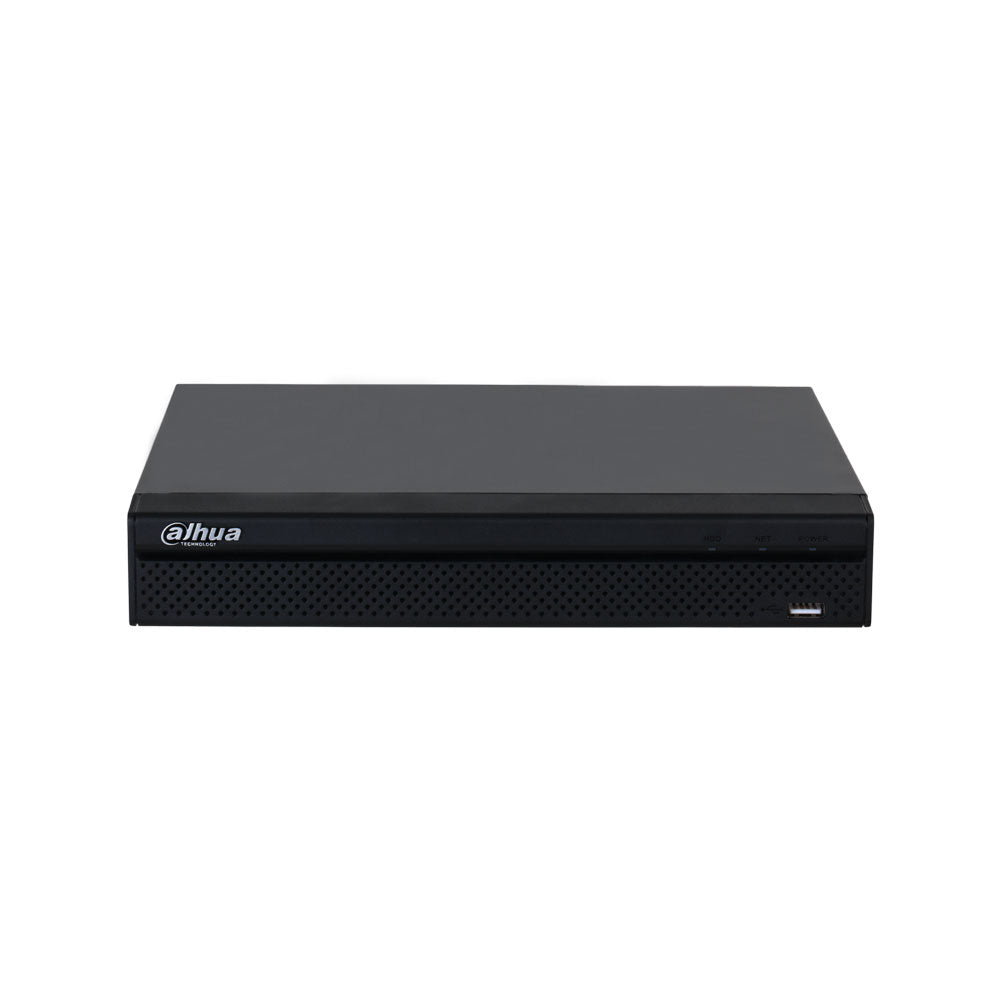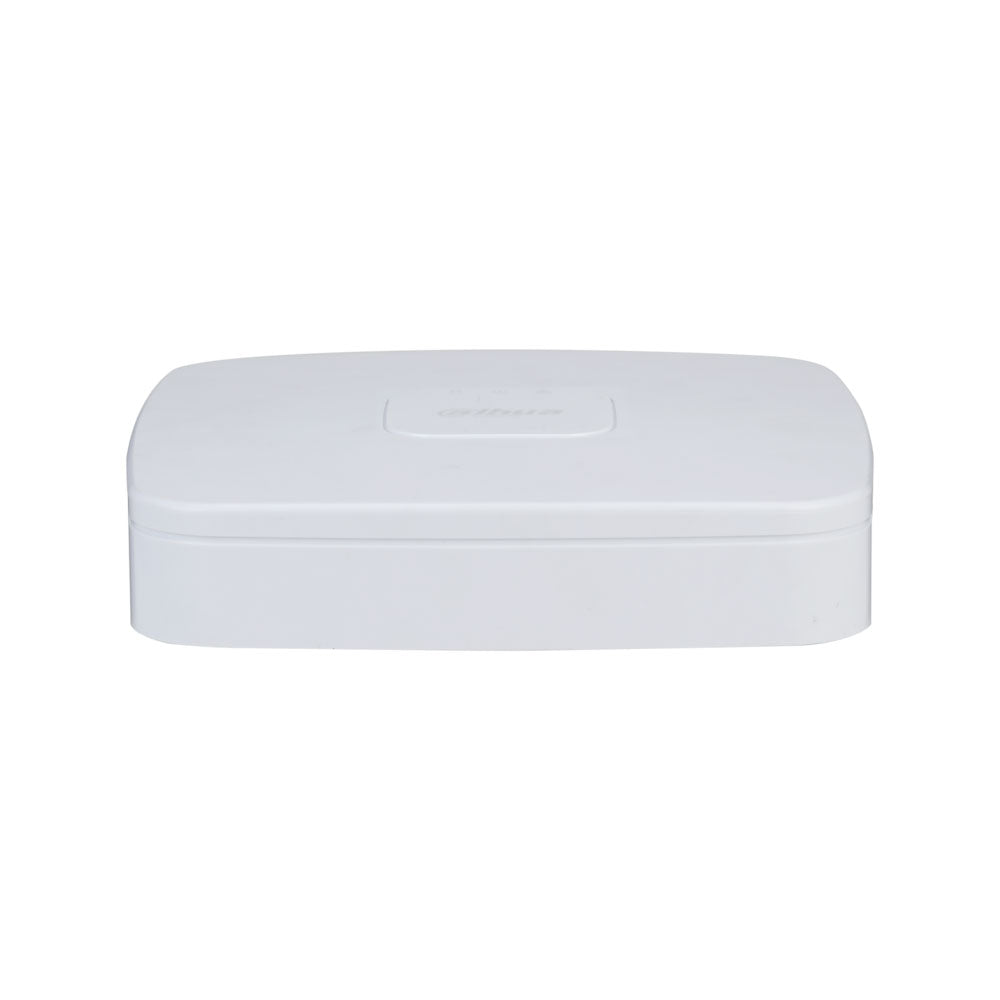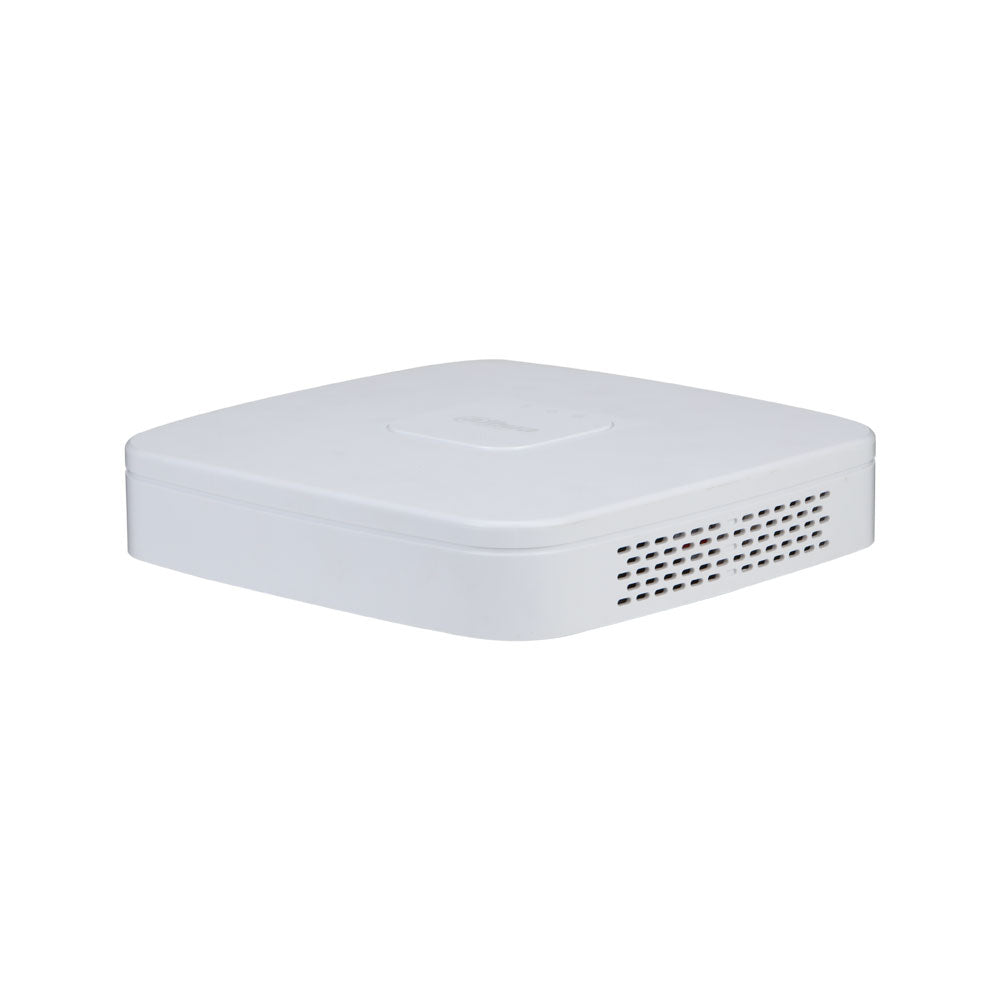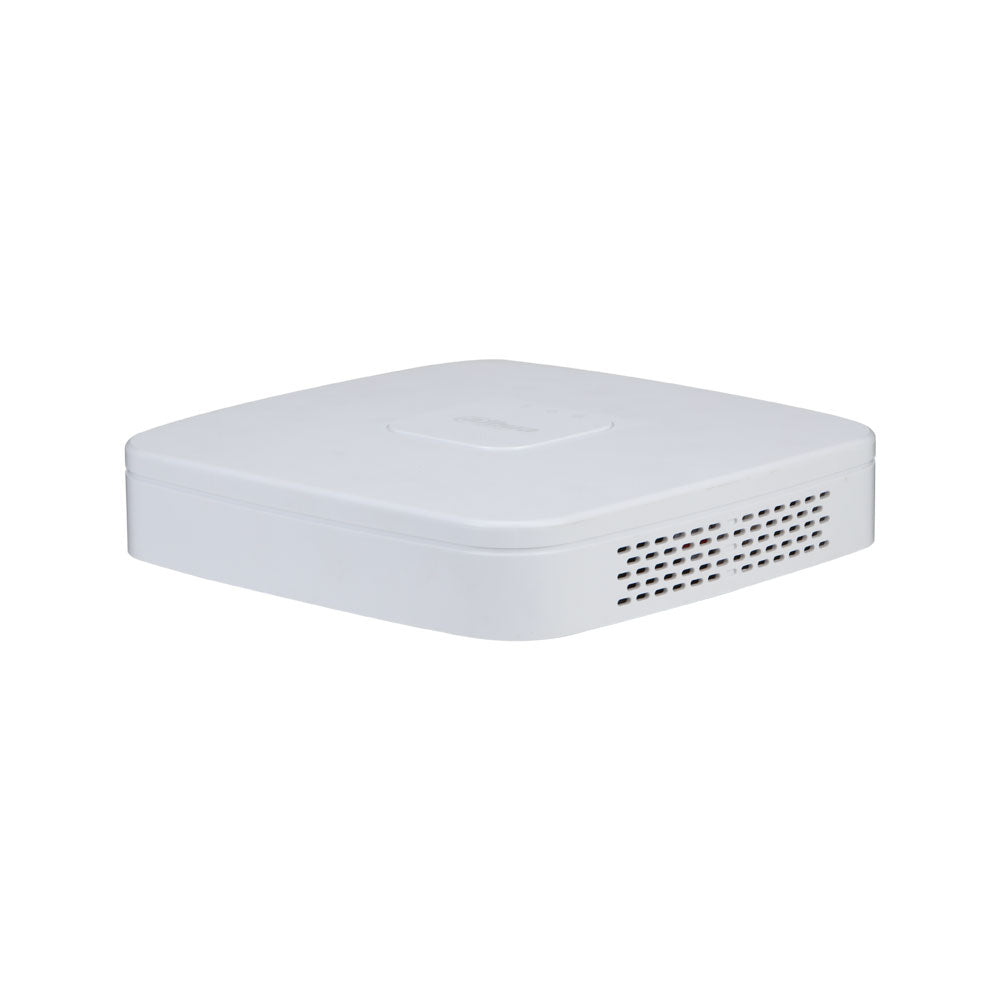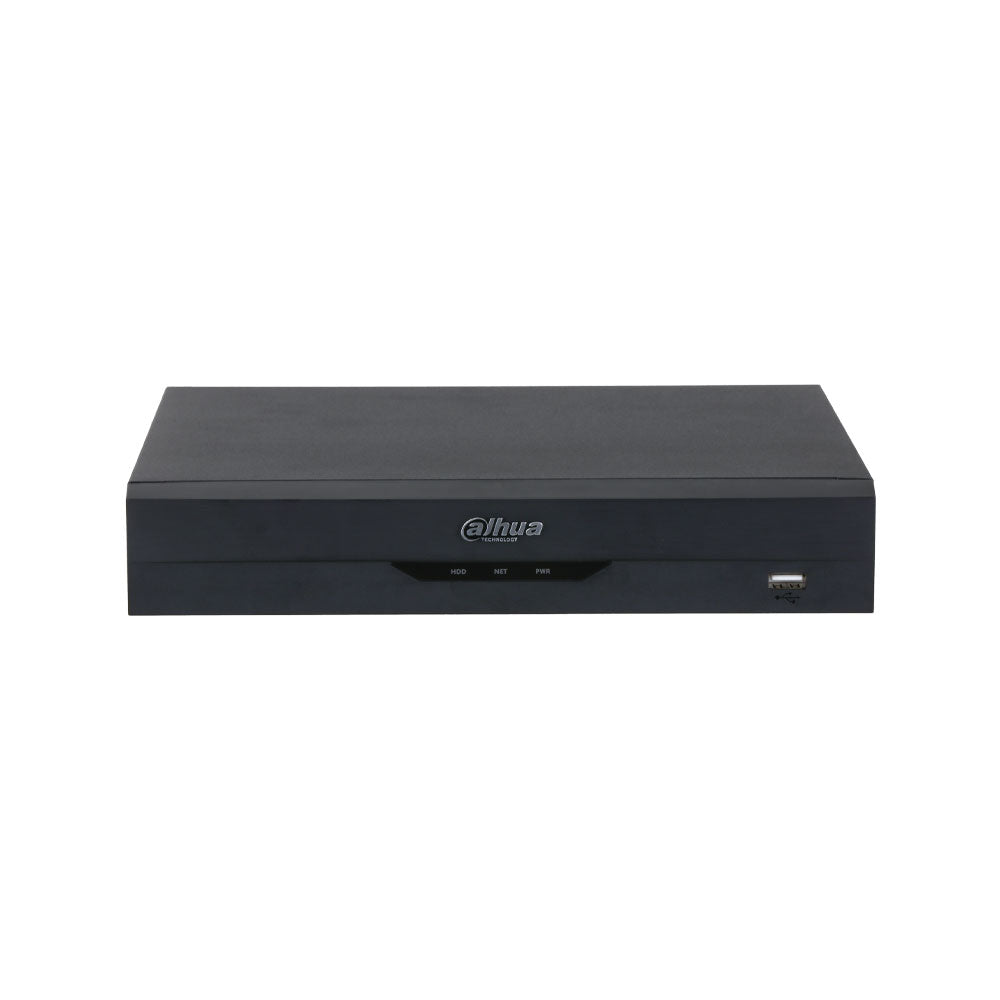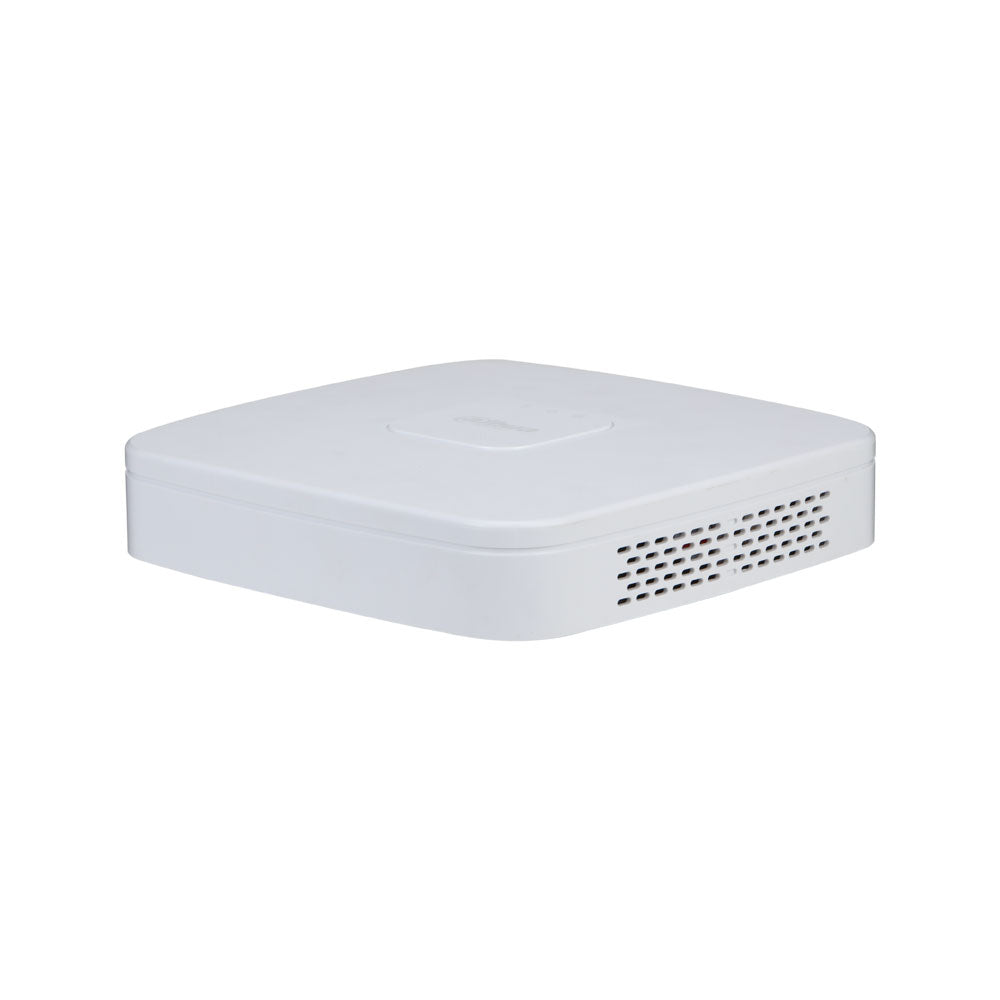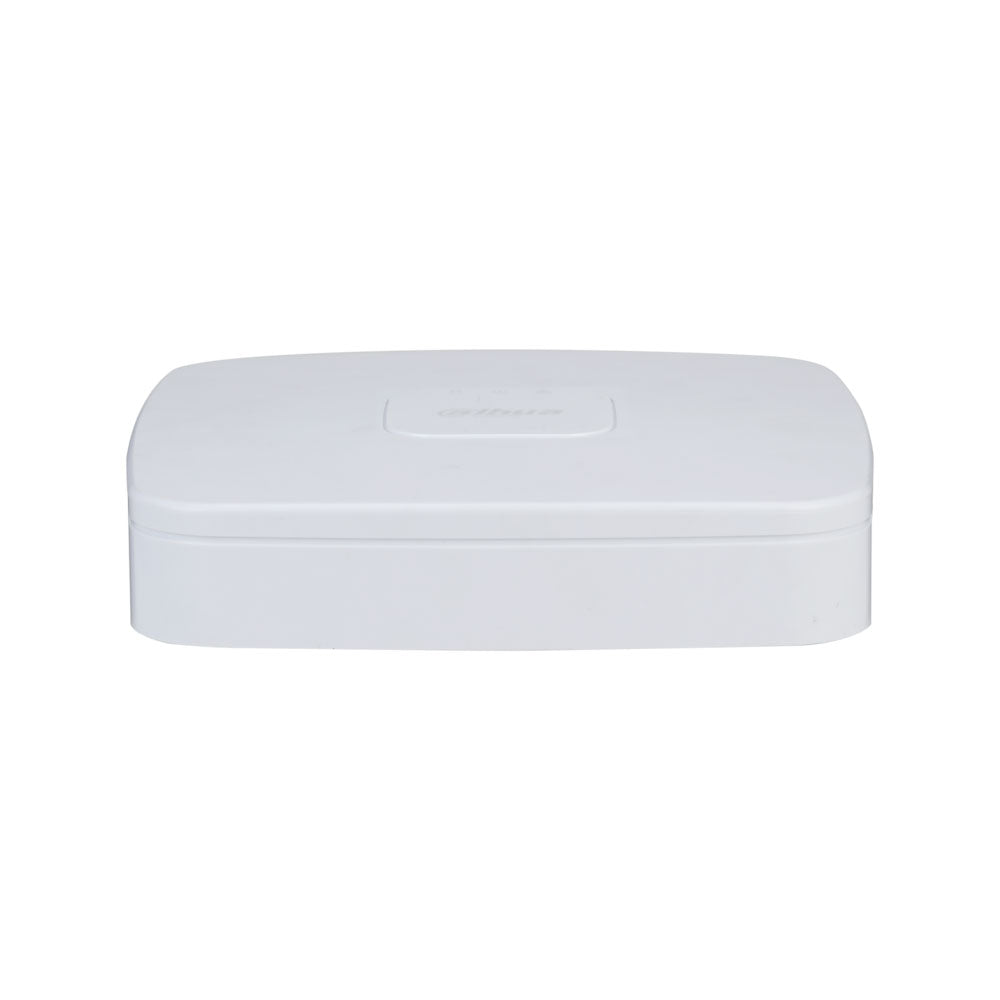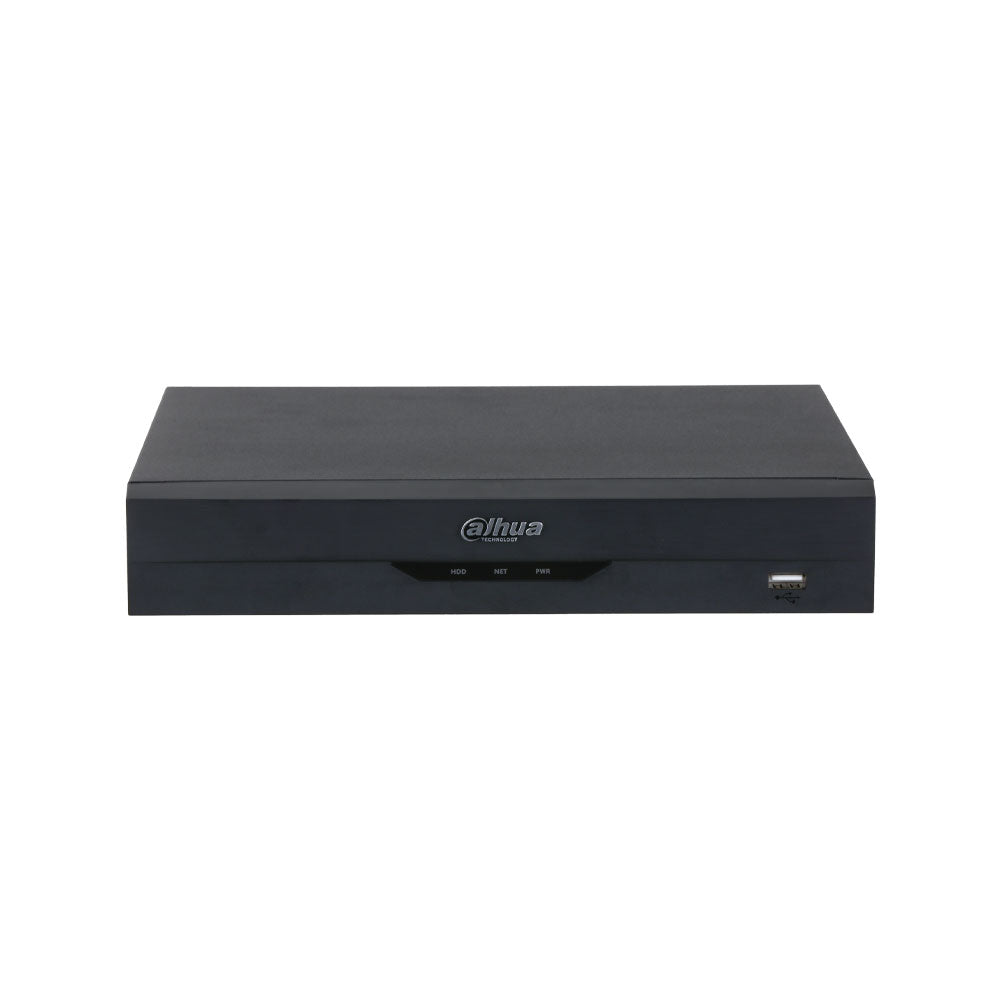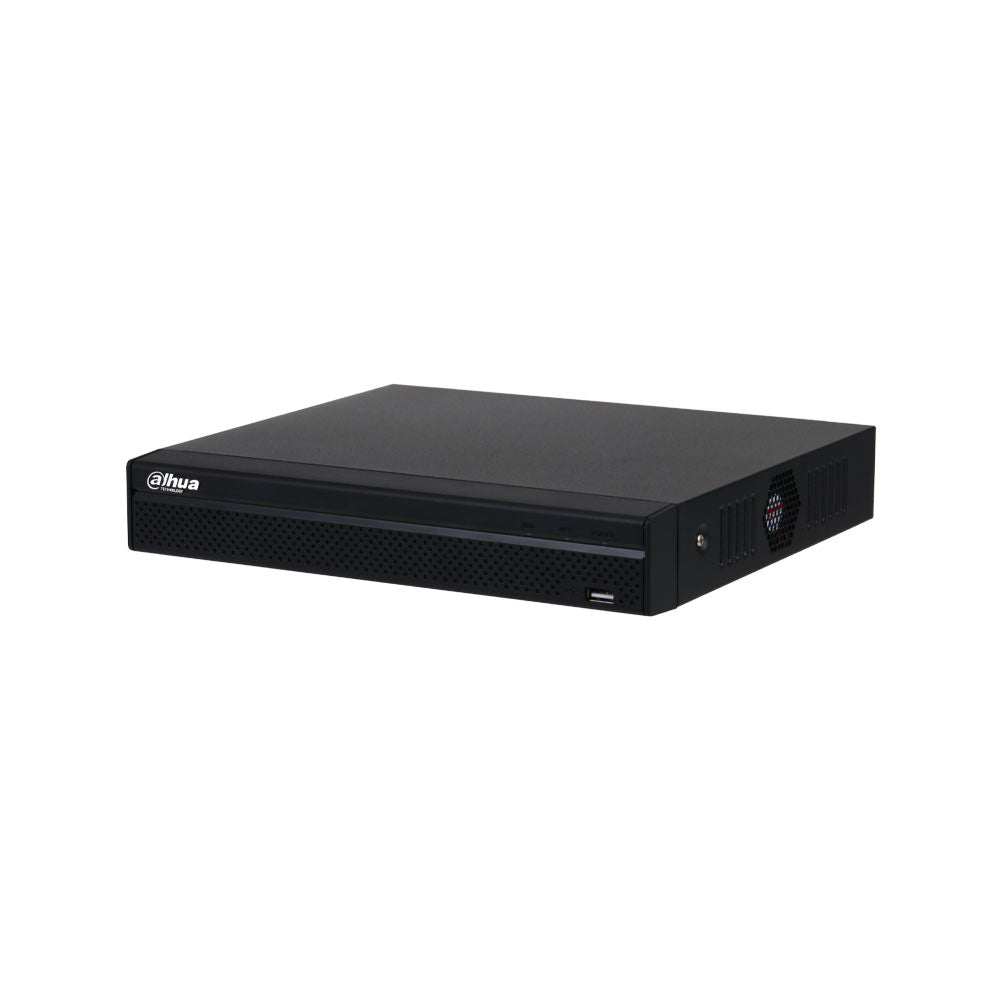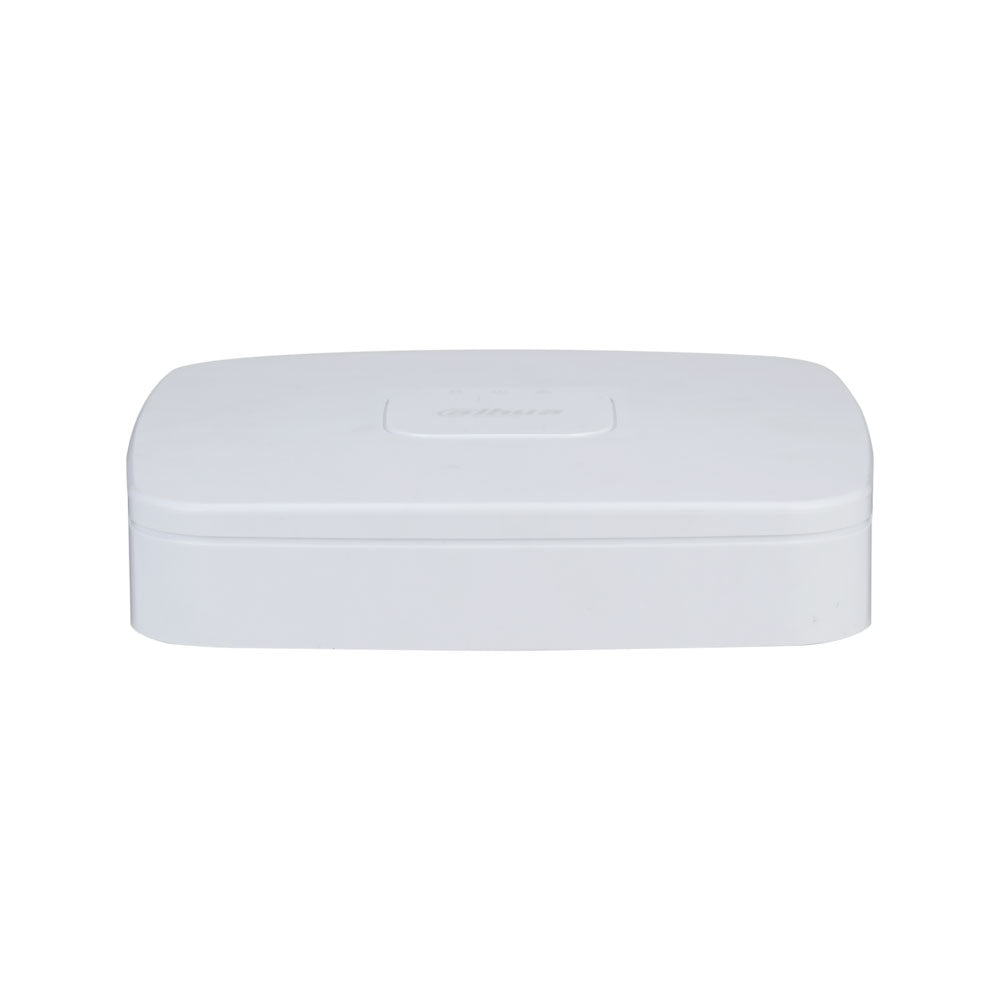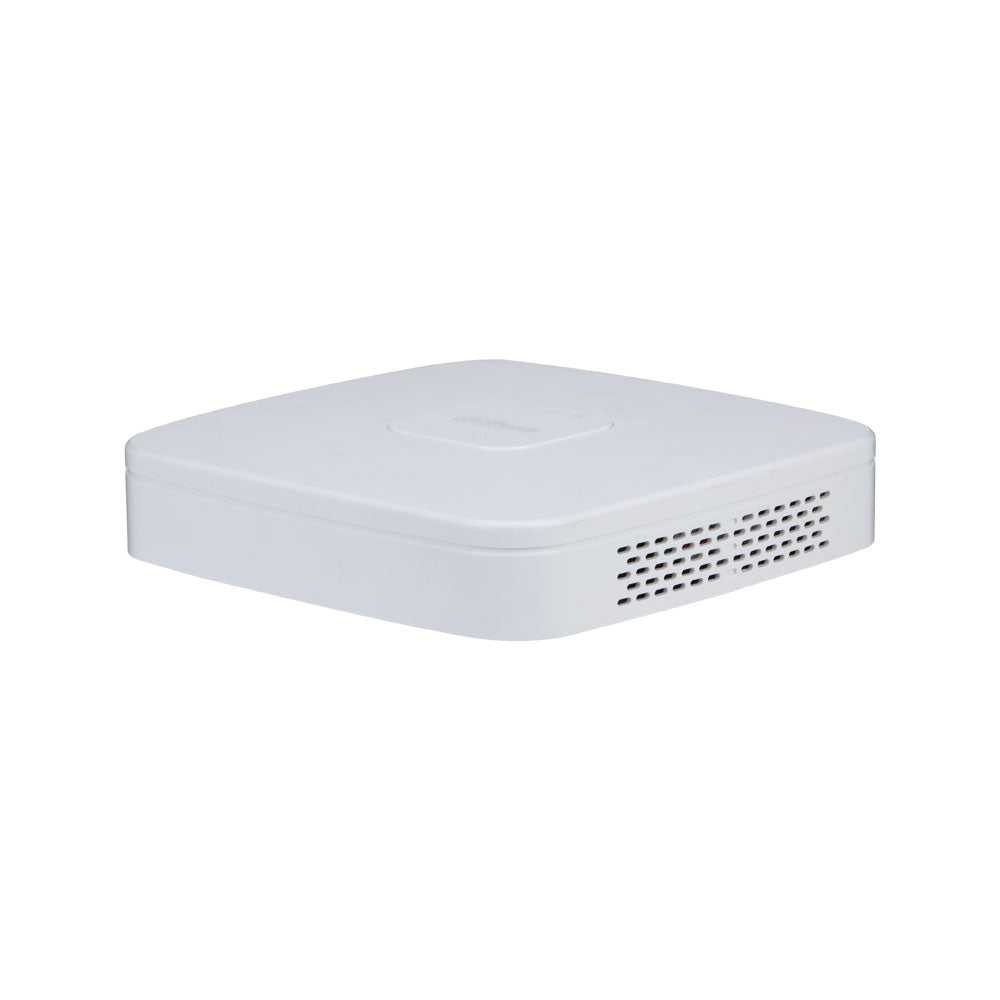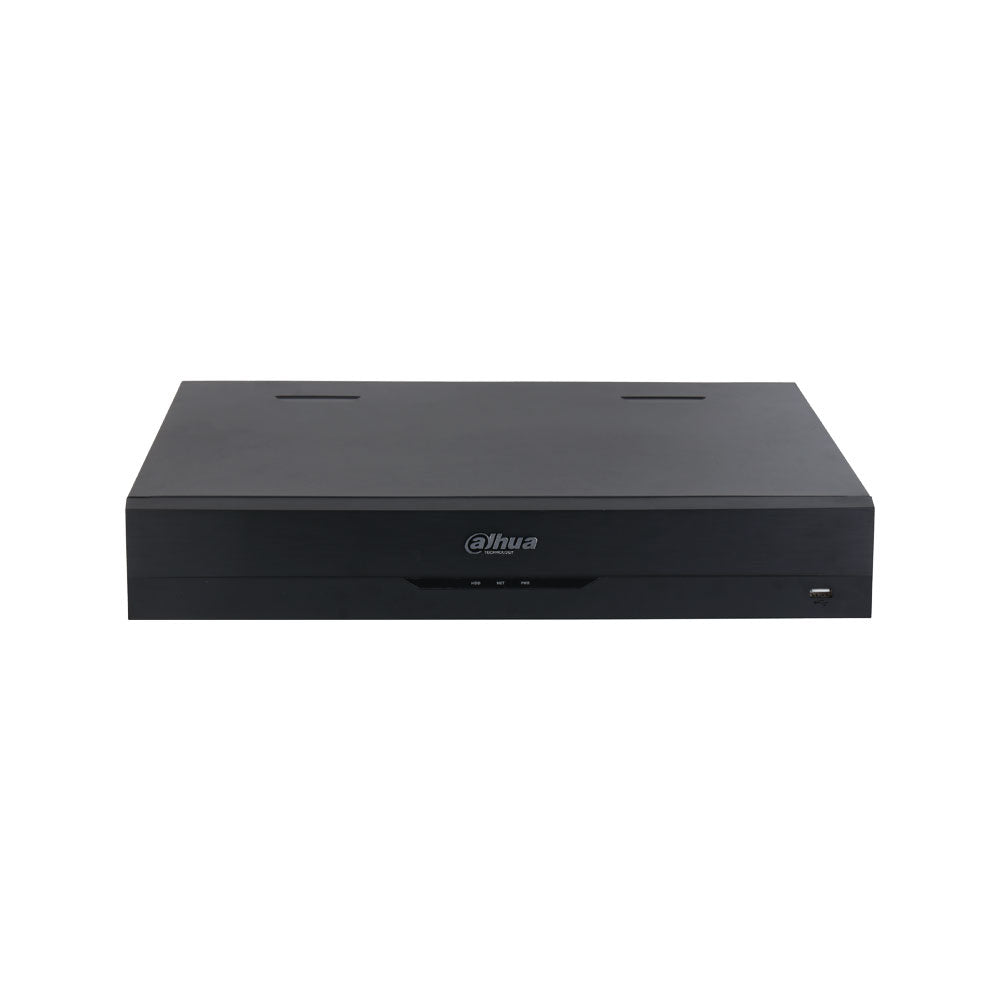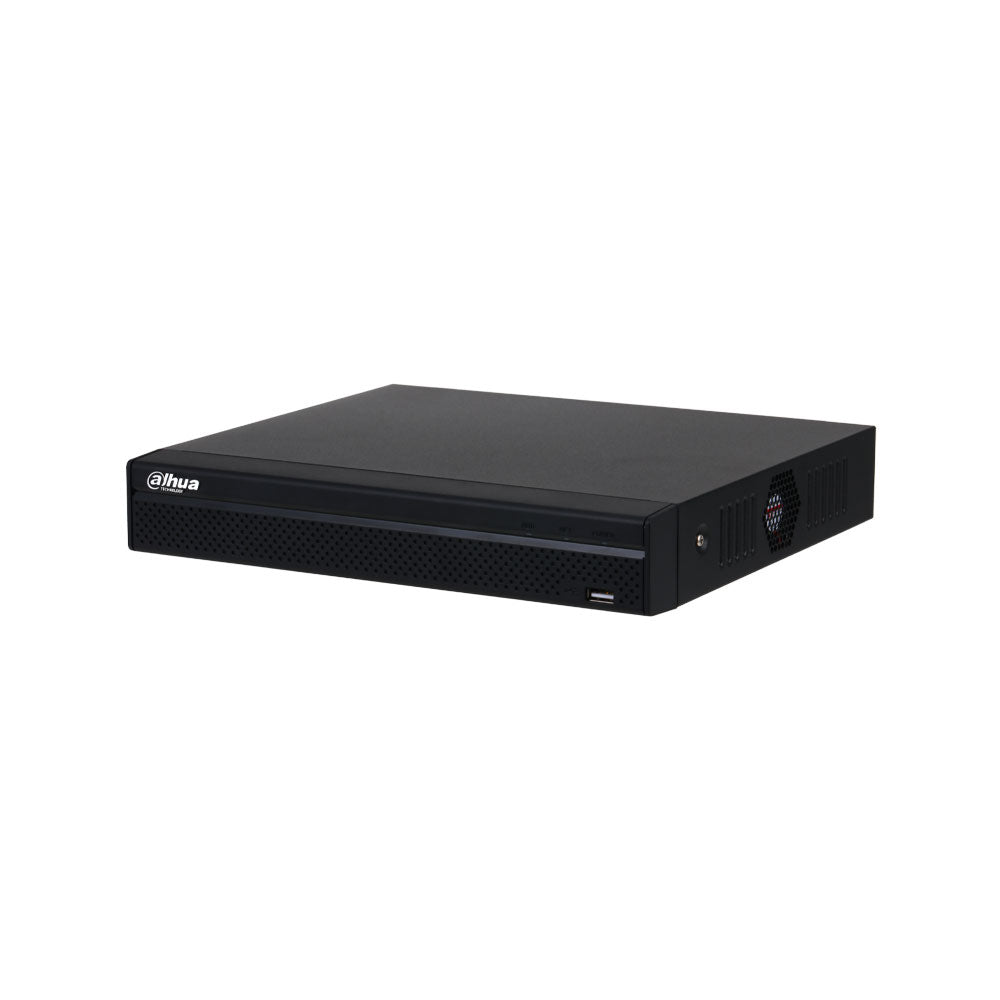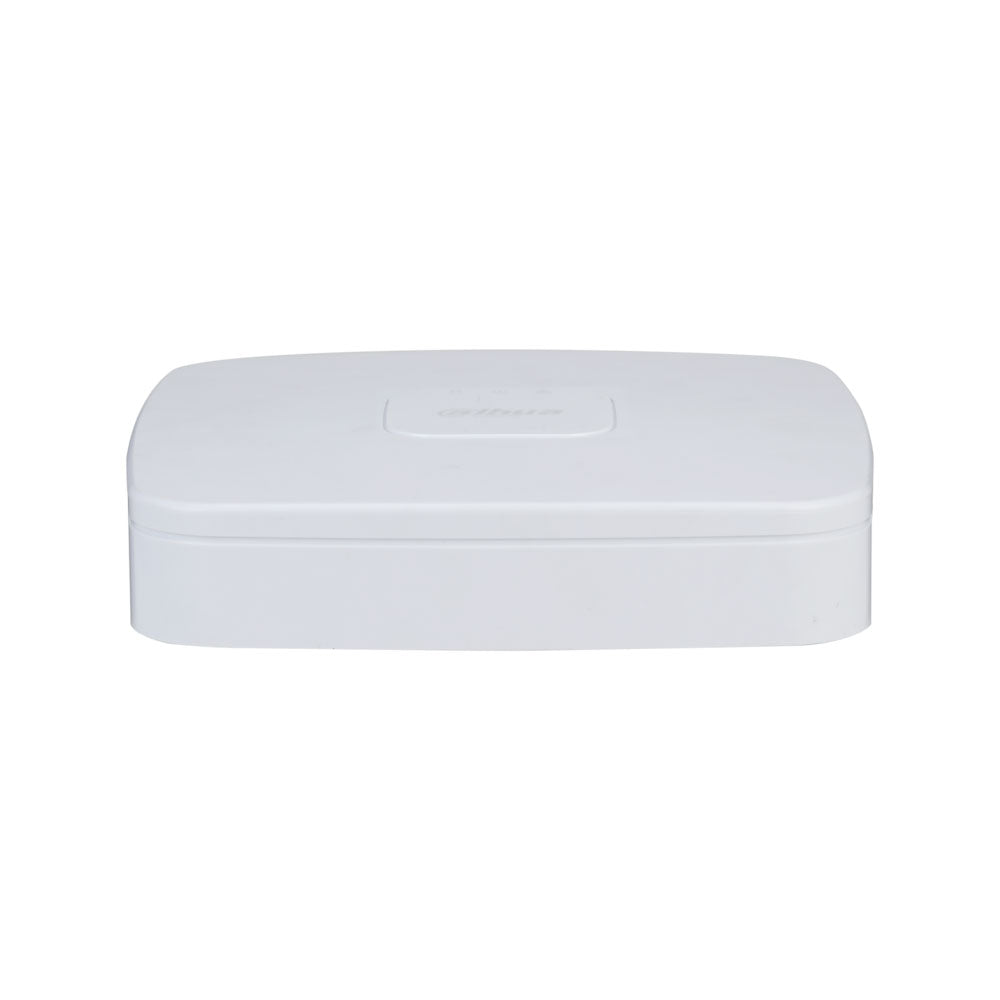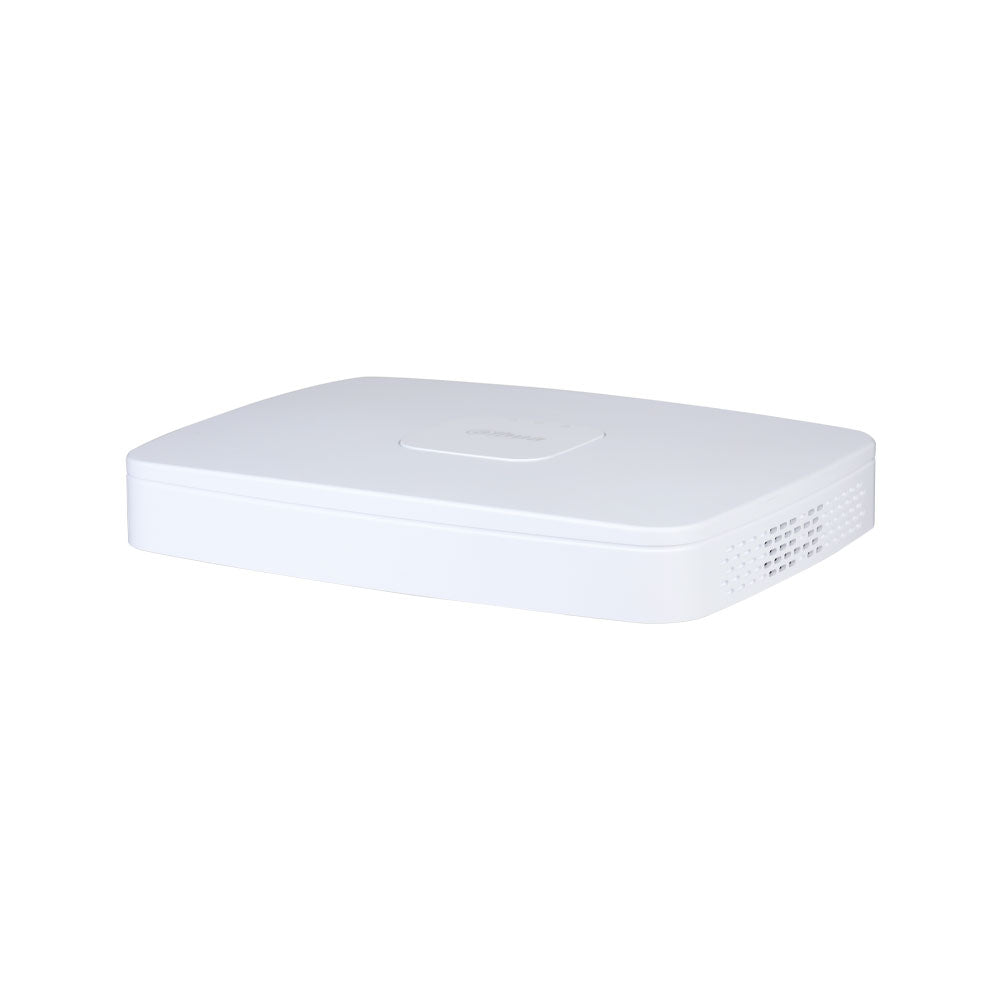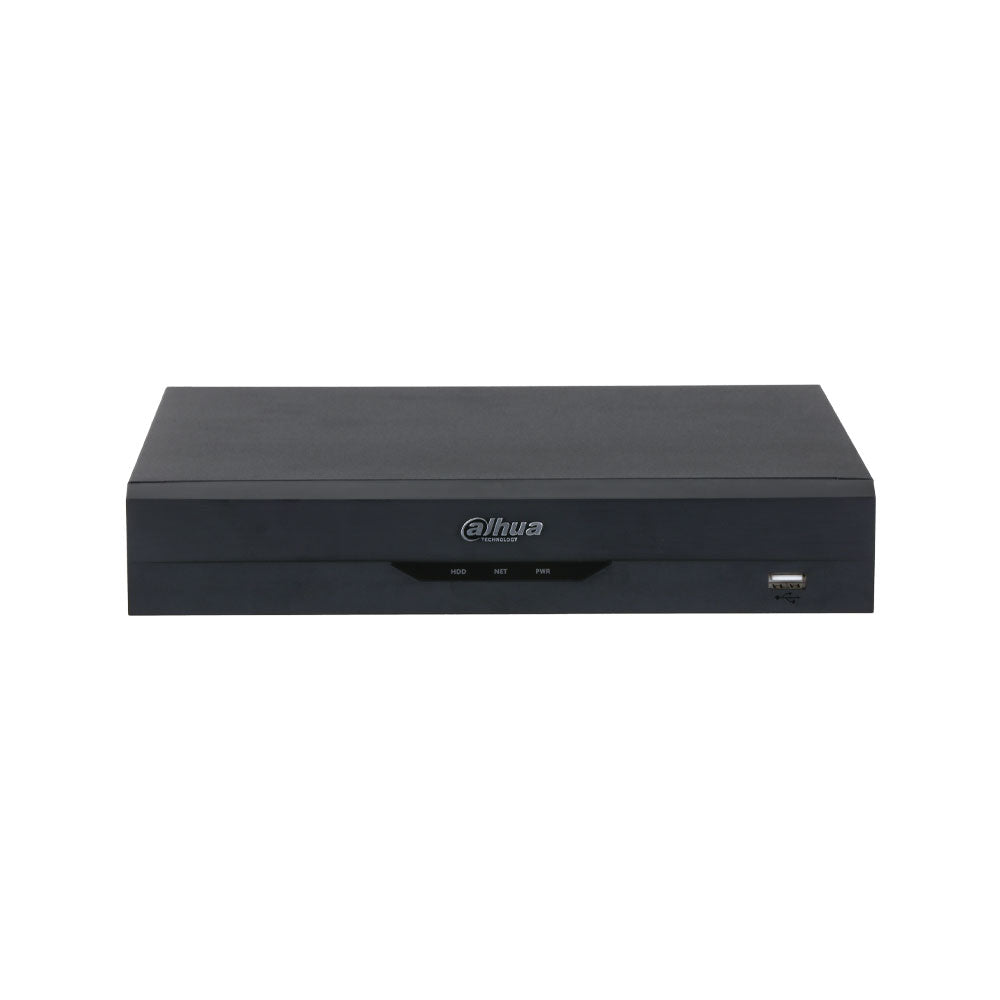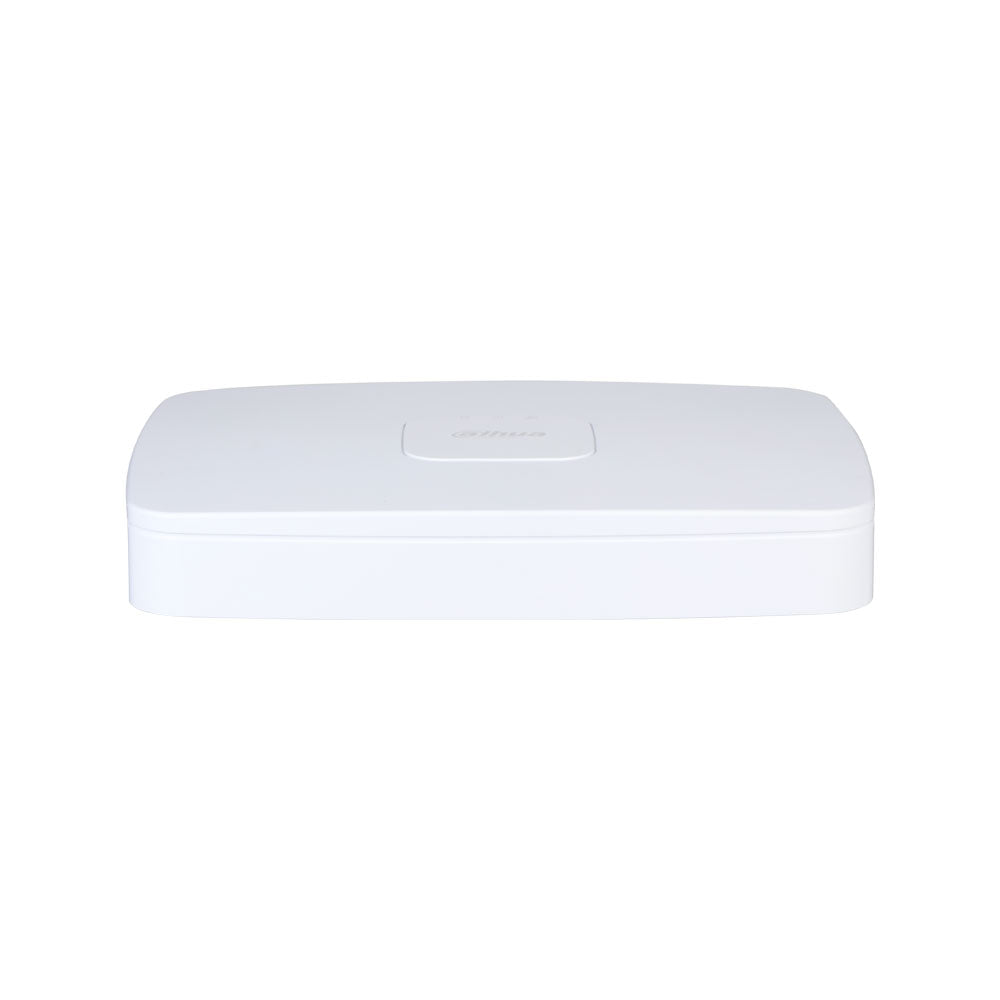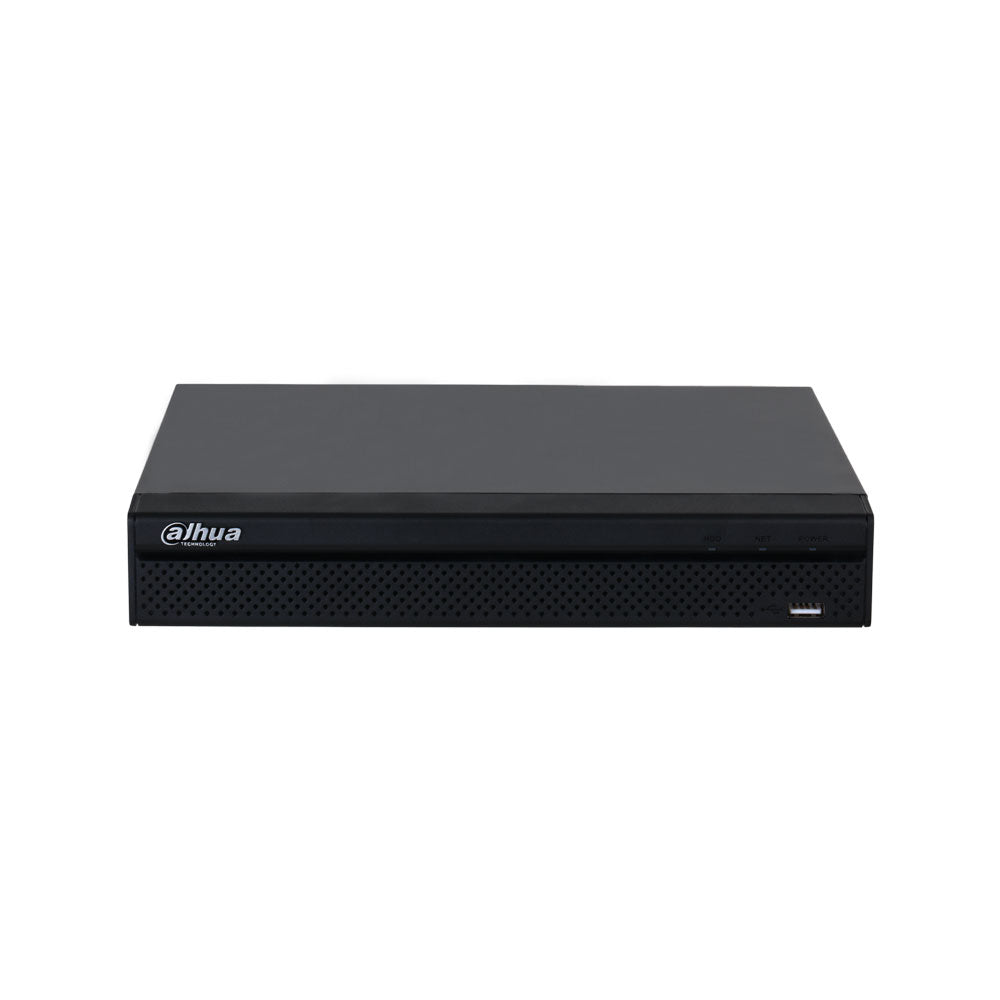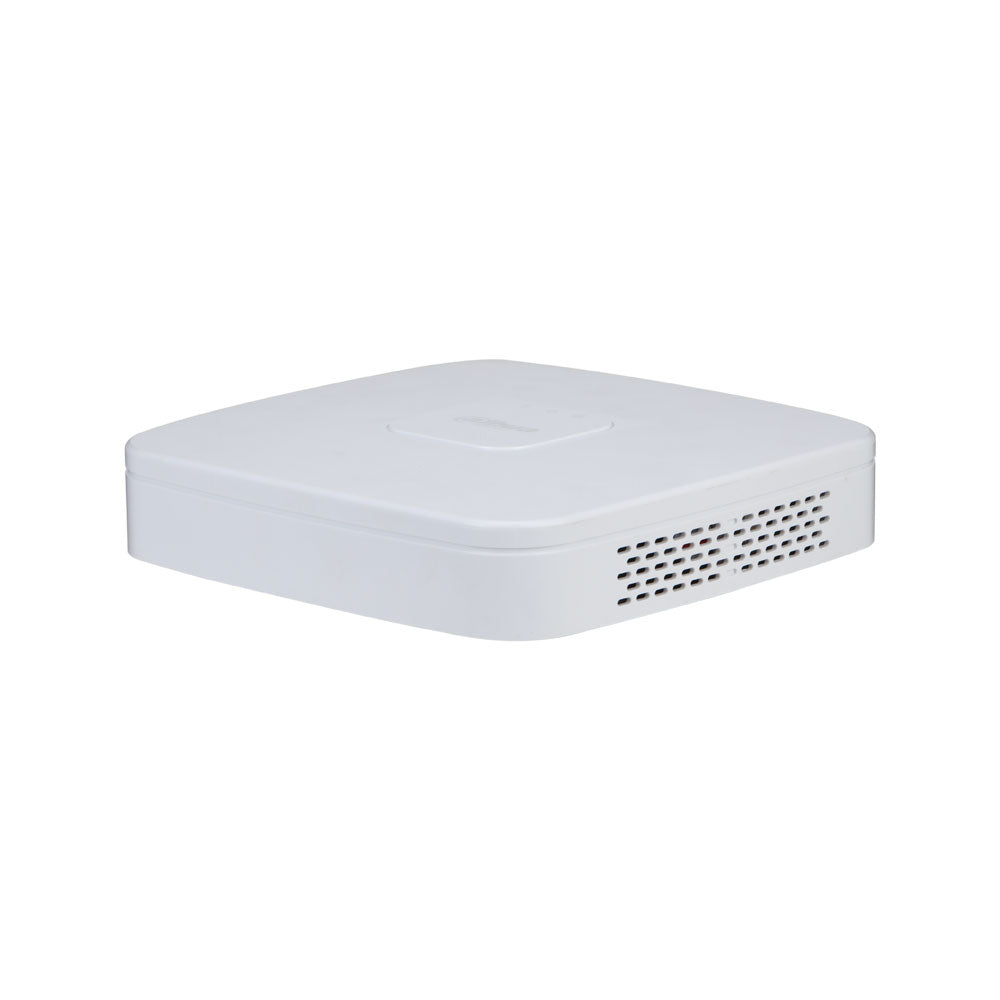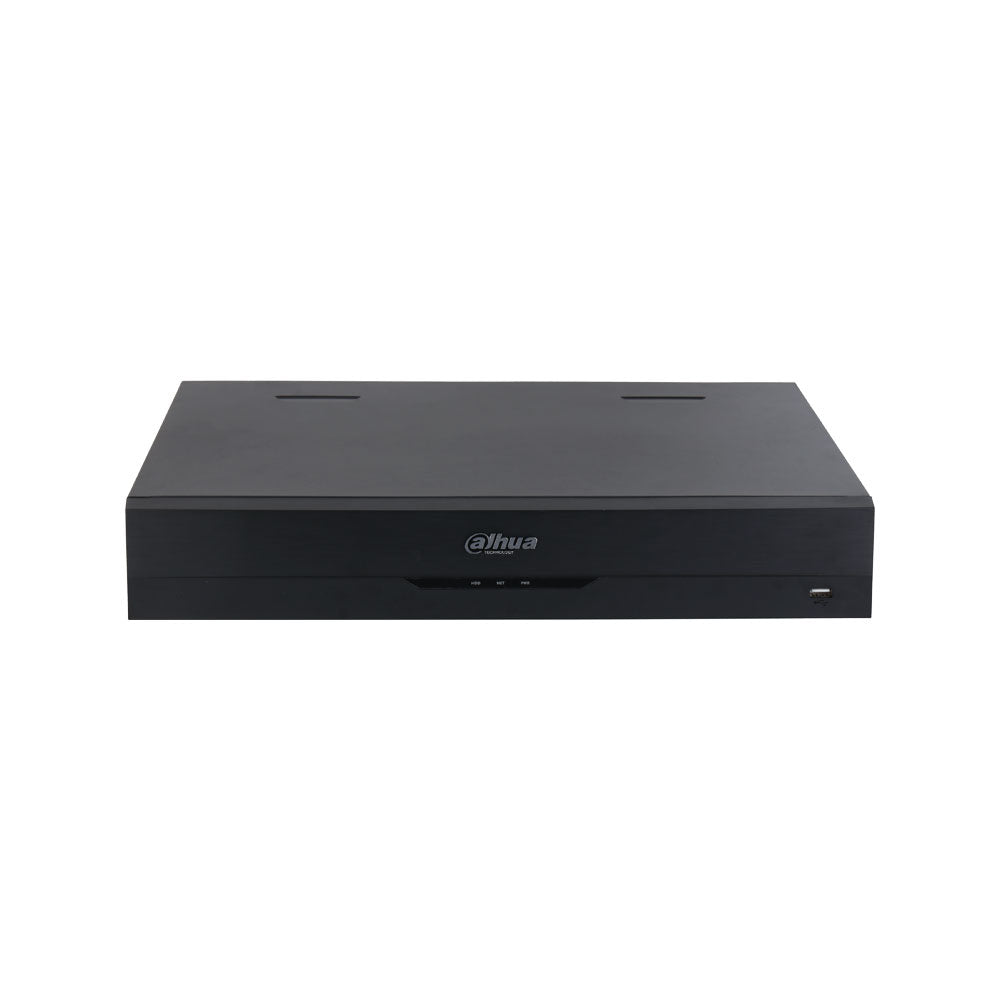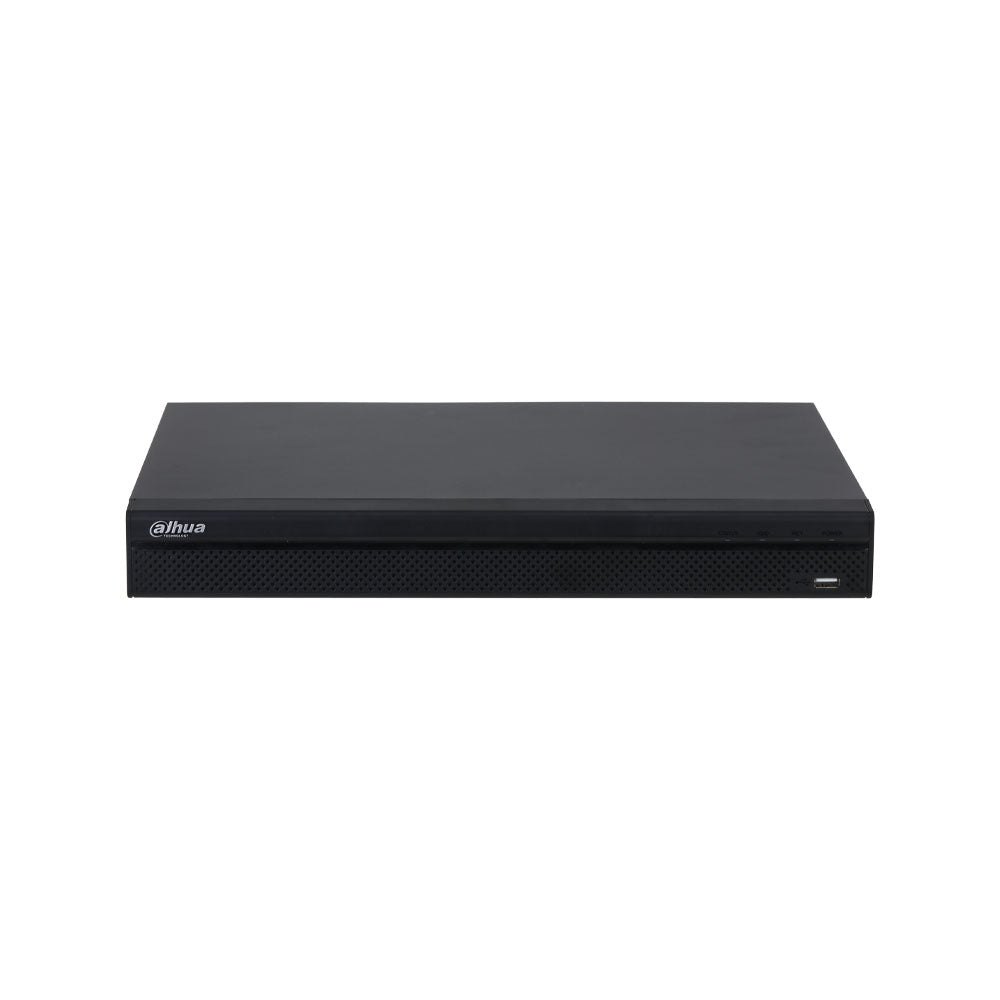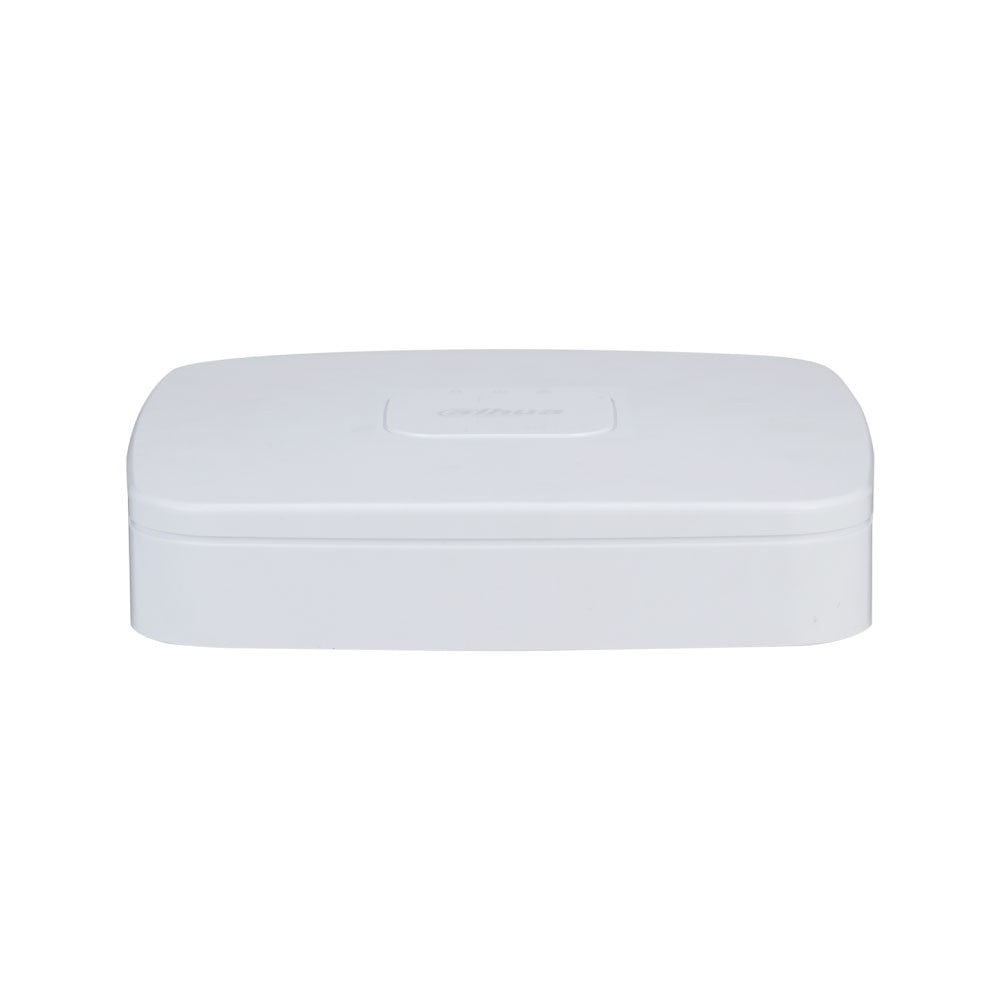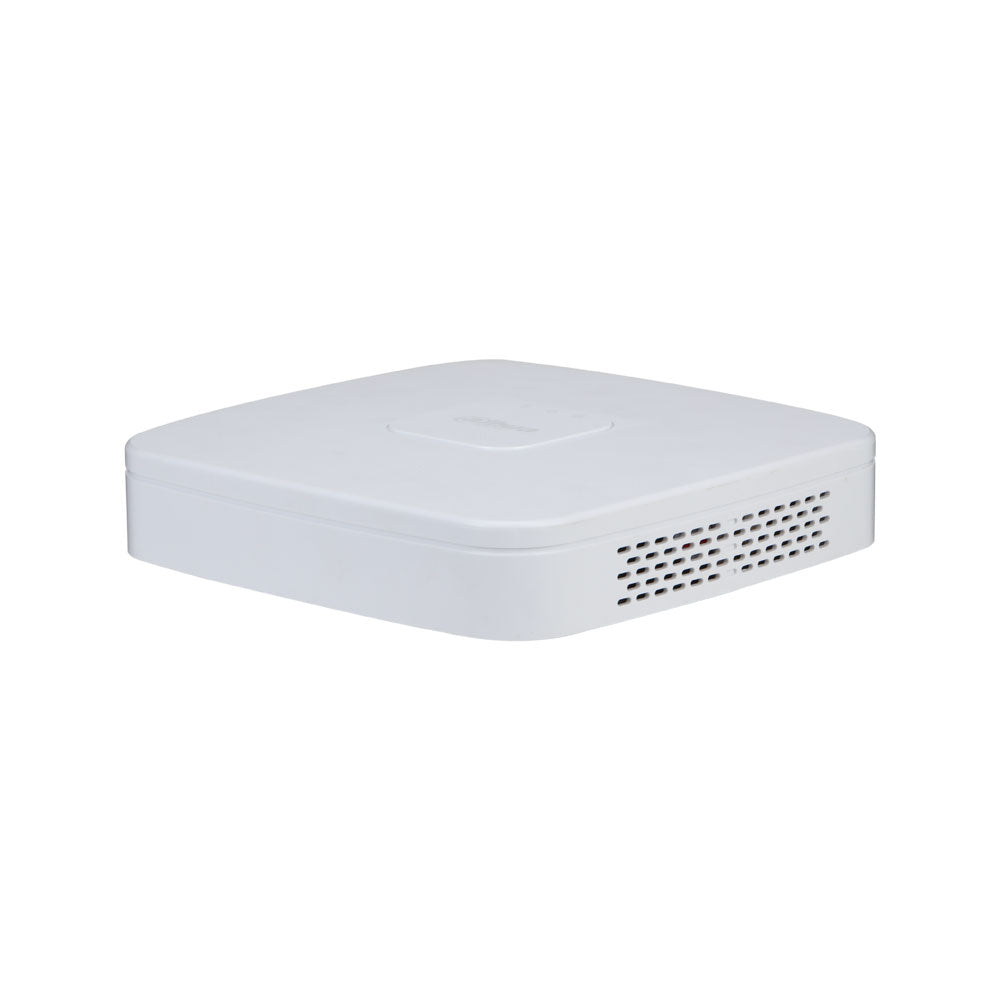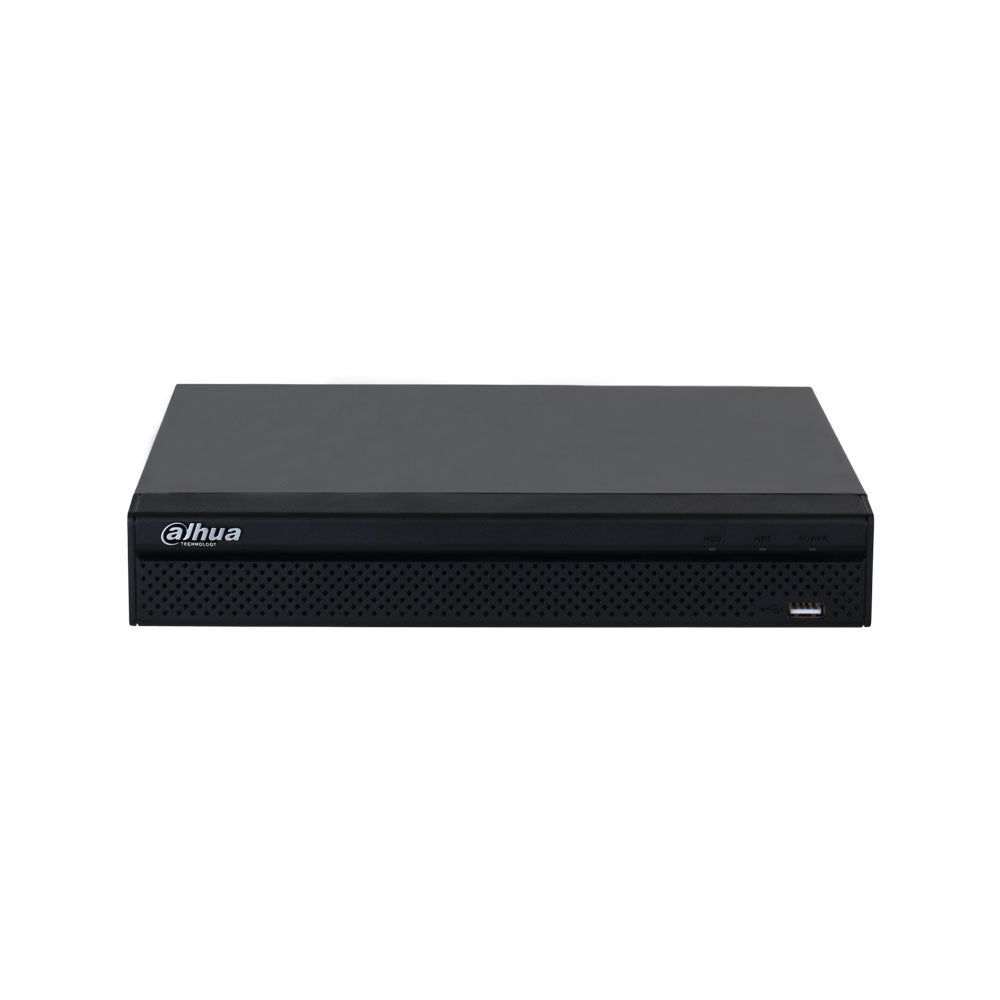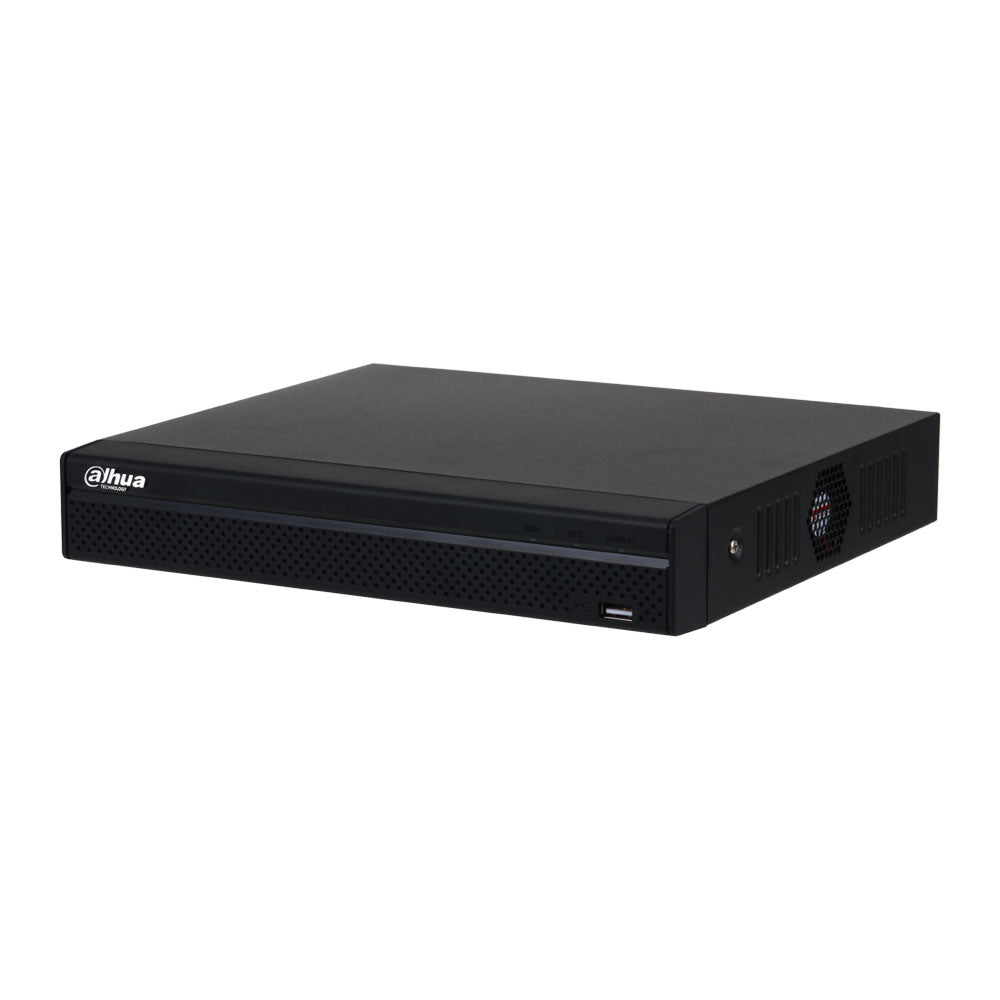
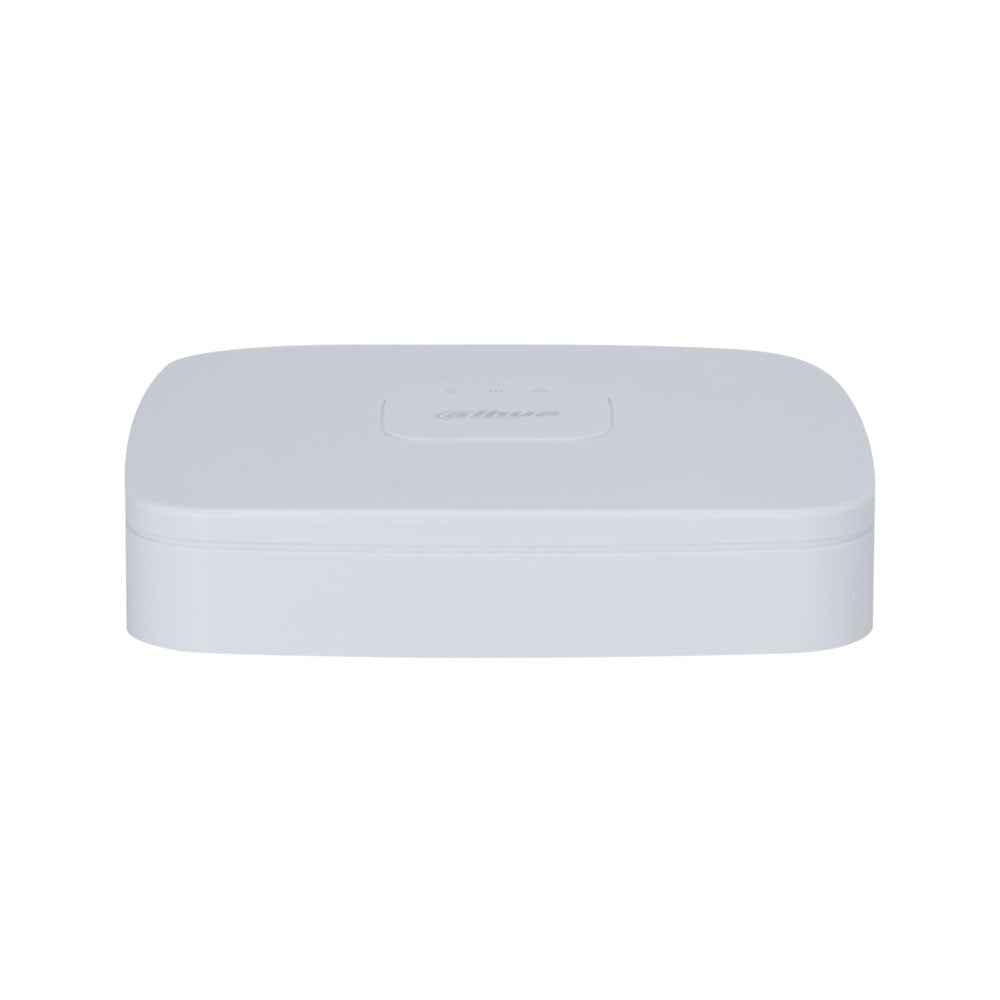
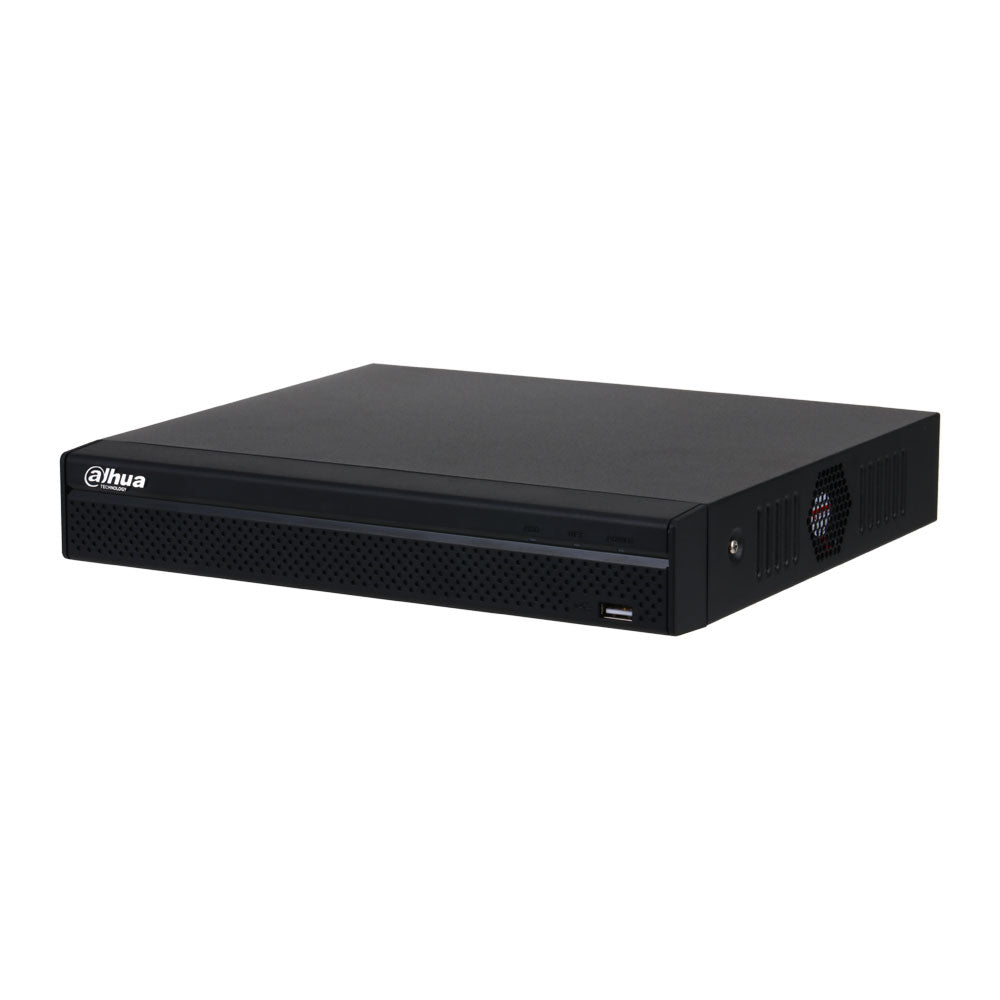
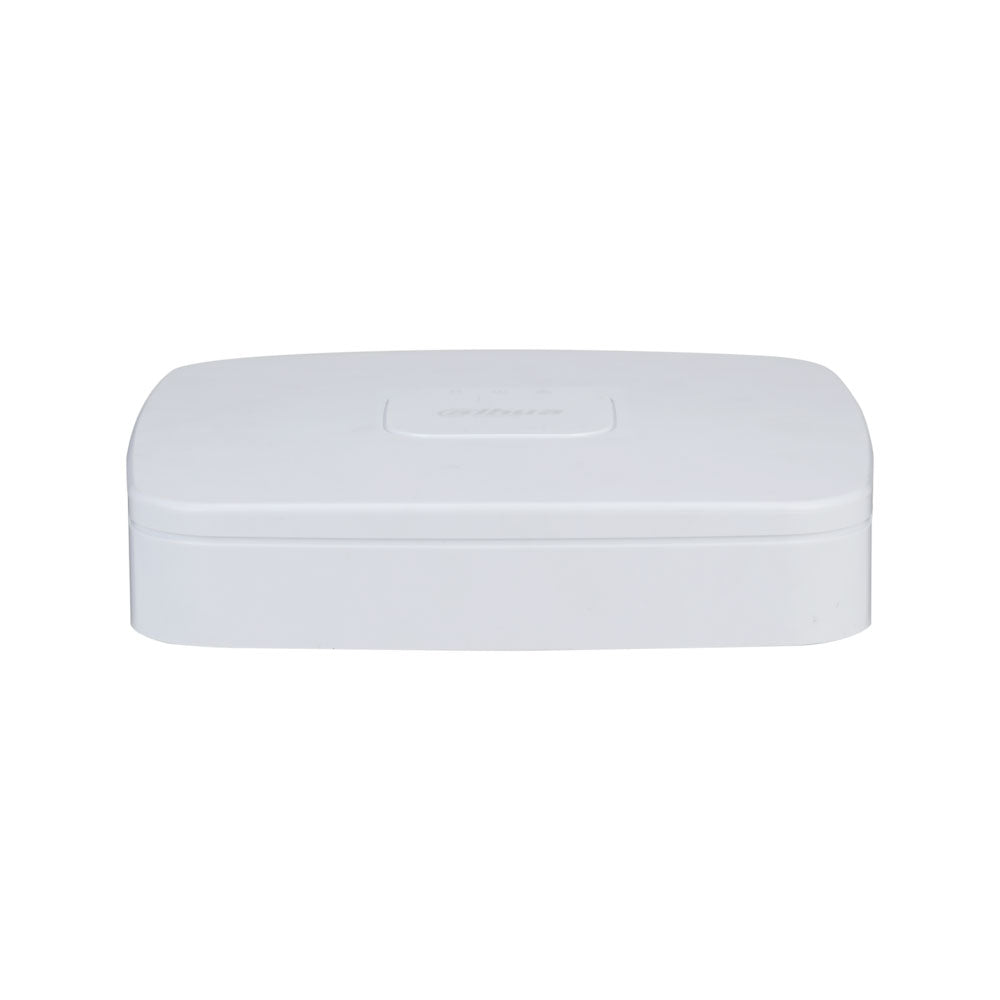
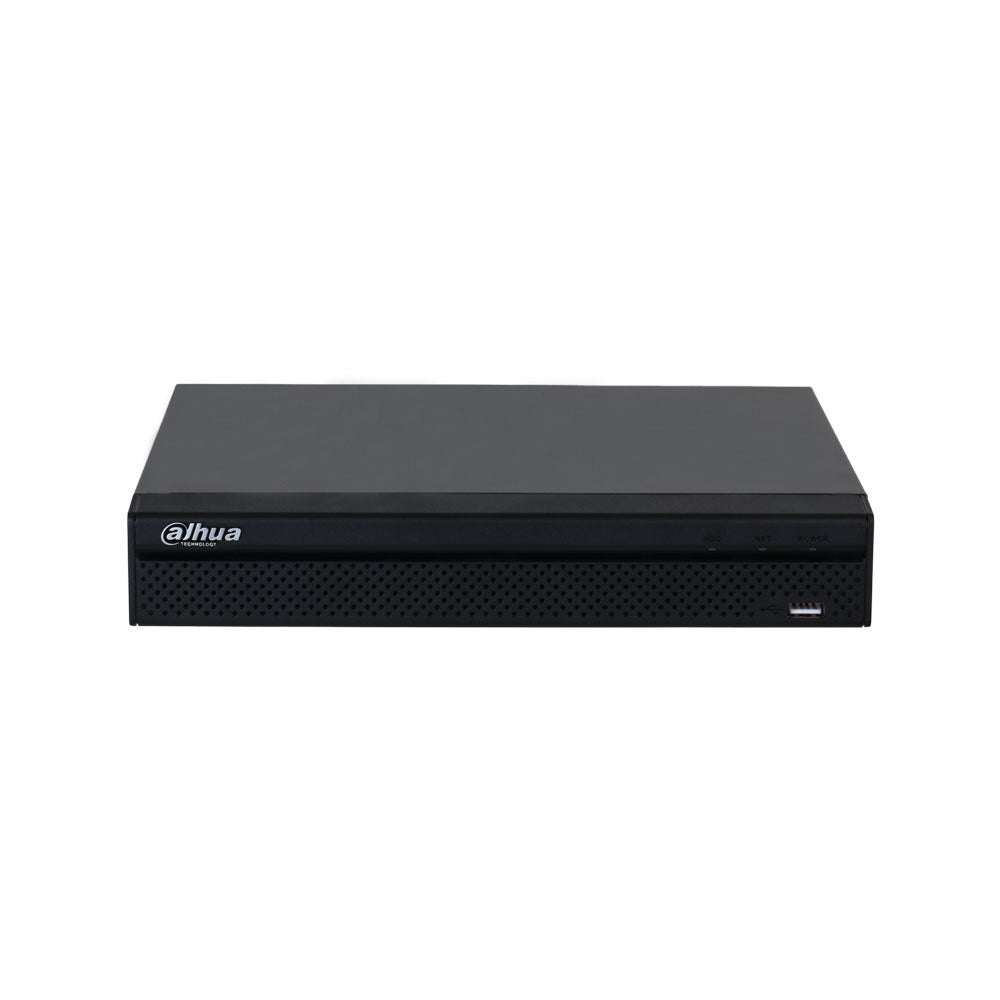
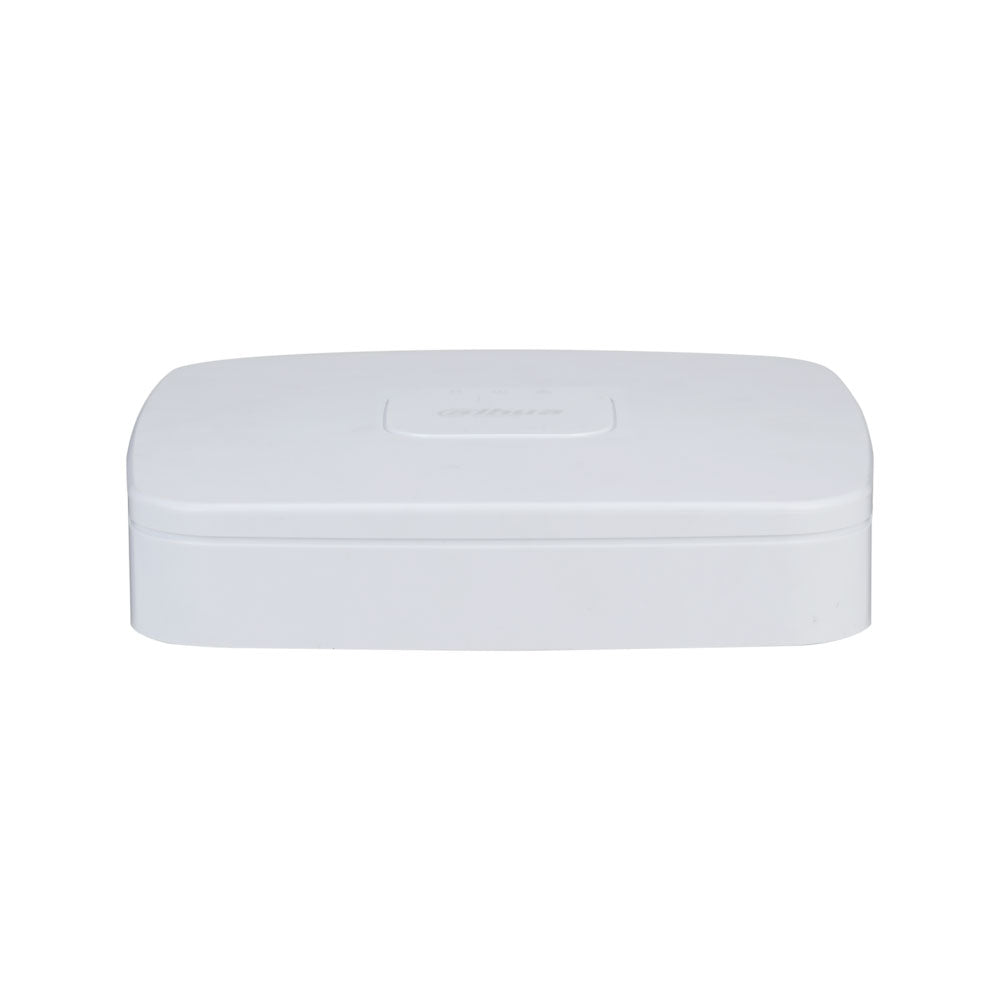
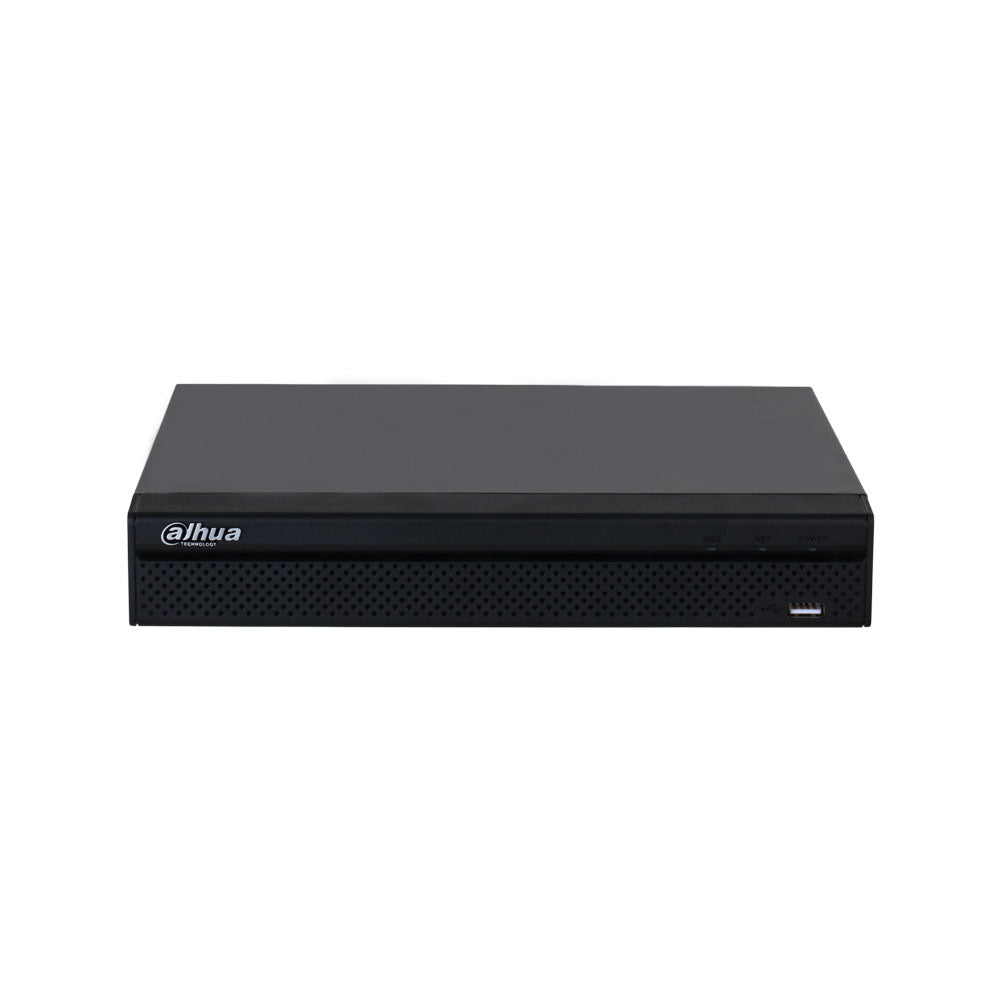
The NVR (Network Video Recorder) is the central piece of an IP installation. It receives streams from cameras over the network, records them to disk, manages remote access and, on PoE models, directly powers cameras via the network cable.
How many channels?
One channel = one camera. The rule of thumb: take at least two more channels than your current need. An installation almost always expands, and replacing an overloaded recorder costs much more than having taken a larger one.
Channels
Typical Use
4 channels
Home, small business, 2 to 3 cameras
8 channels
Complete home, business, 4 to 6 cameras
16 channels
Professional building, warehouse, 8 to 12 cameras
32 channels
Multi-building site, large area
PoE or non-PoE?
A PoE NVR integrates a switch that powers the cameras: only one network cable per camera, no separate power supply needed on site. This is almost always the right choice for new installations.
A non-PoE NVR is justified when cameras are already powered otherwise, when they are too far away (beyond 100m, an intermediate switch is needed anyway), or when the existing network already provides PoE.
Beware of bandwidth
An NVR specifies a maximum input bandwidth, expressed in Mbps. Eight 8MP cameras can exceed the capacity of an entry-level 8-channel model, even if the number of channels is sufficient. Always check the total bandwidth, not just the number of ports — this is the most common sizing error.
Drive bays
The number of bays determines your maximum archiving capacity. A single-bay NVR is limited to the largest disk on the market; a two or four-bay model allows for later expansion, or setting up redundancy.
Frequently asked questions
Is the hard drive included?
Not systematically. Check the model's product sheet and plan for a surveillance drive, not an office drive.
Can I mix camera brands?
Dahua NVRs support the ONVIF standard, so many third-party cameras. However, advanced features (WizSense, analytics, configuration from the NVR) are only guaranteed with Dahua cameras.
Can I view remotely?
Yes, via the DMSS app or a browser, without a subscription.
What happens when the disk is full?
Recording loops and overwrites the oldest data. This is the default behavior, and it is why disk sizing determines your archiving depth.