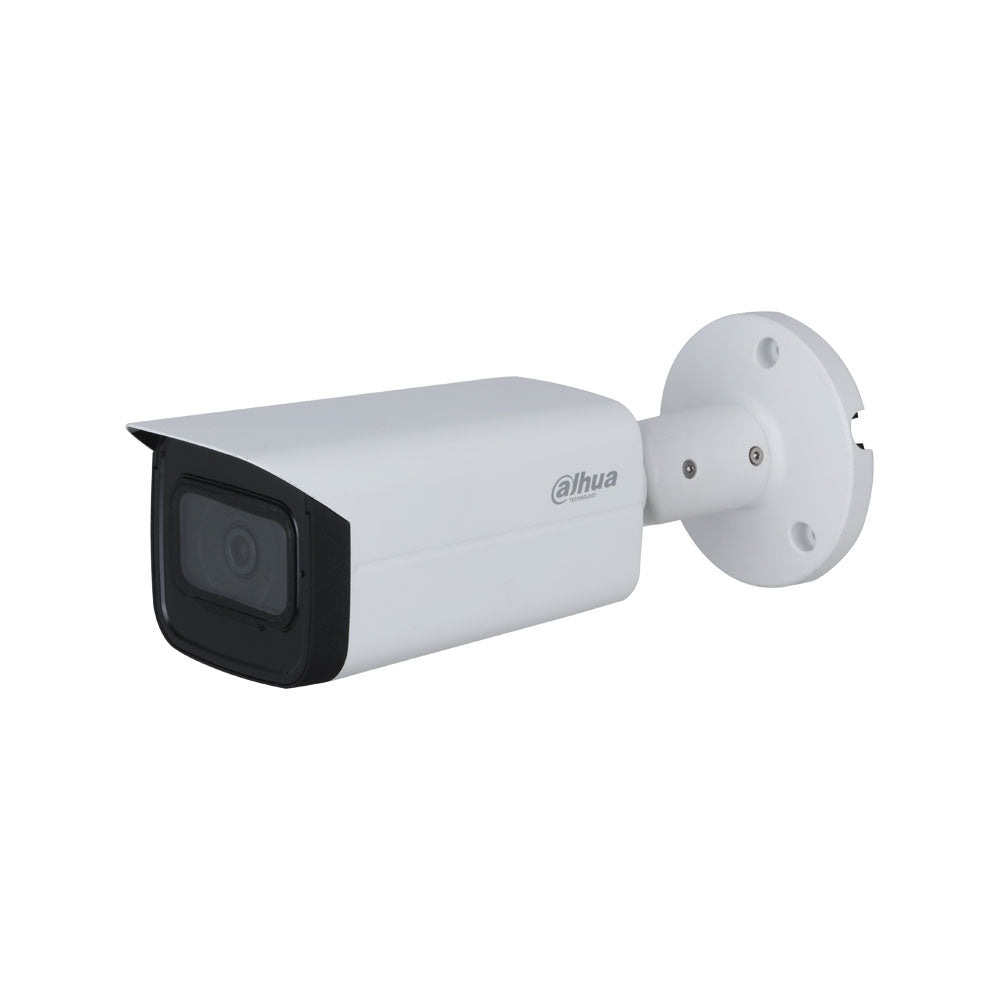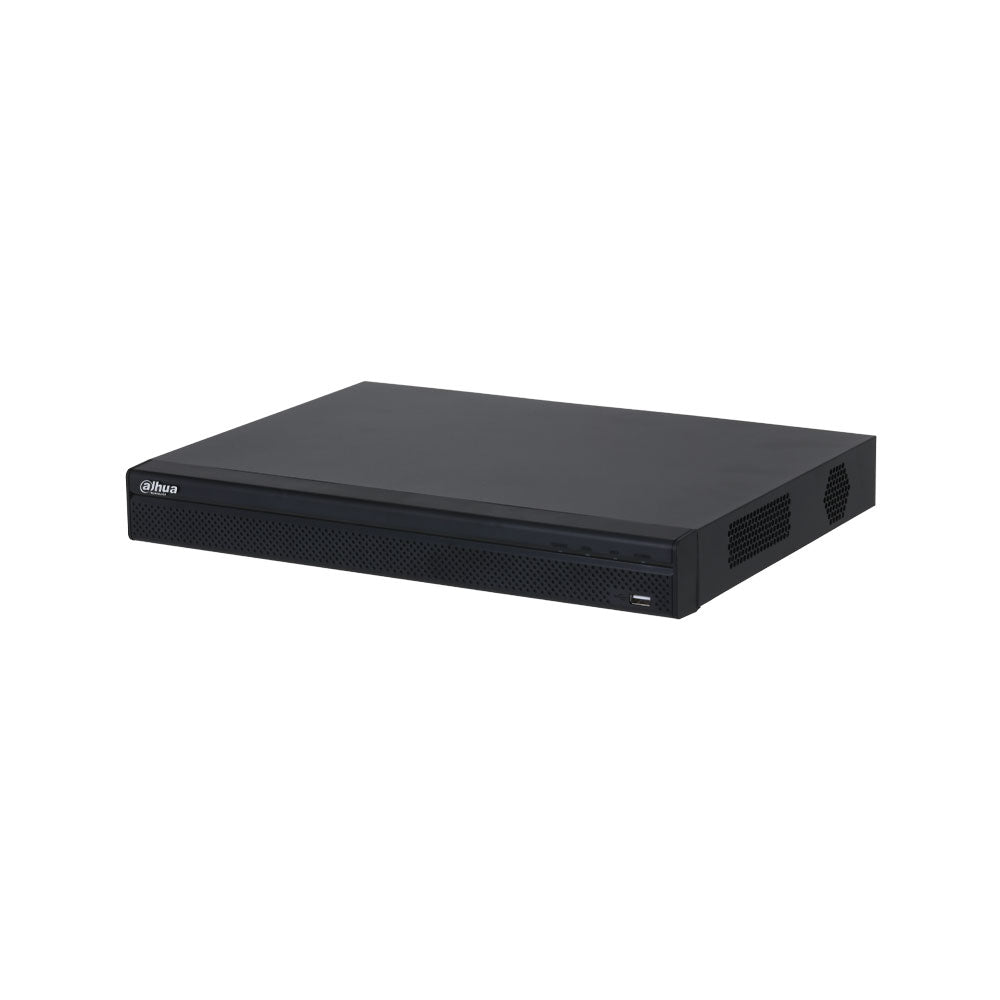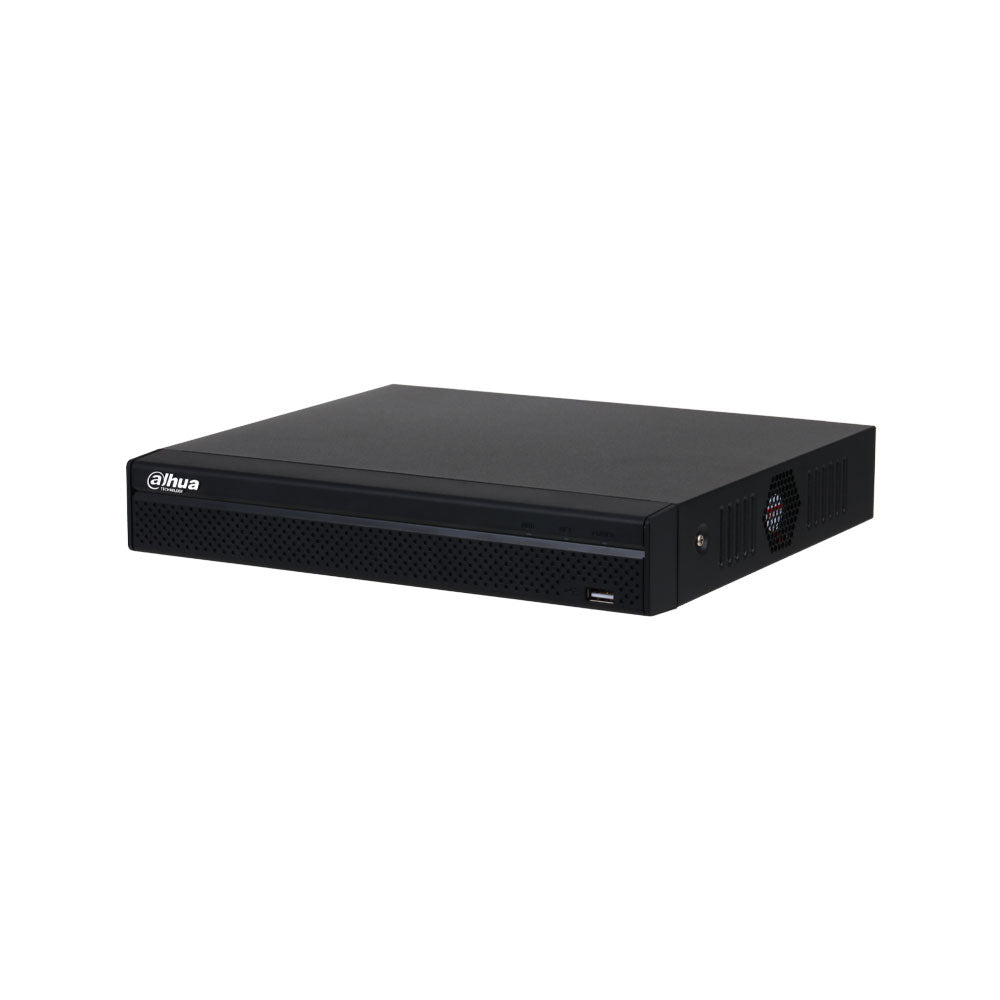
Dahua Technology is one of the two largest video surveillance manufacturers in the world. Its range covers absolutely everything, from entry-level domes for a small business to thermal cameras for industrial sites. SecuriShop distributes the complete catalog, with advice from a team that installs this equipment daily in Belgium.
Where to start?
A video surveillance installation always consists of three main components: cameras, a recorder, and a hard drive. They are chosen in this order, because the number and resolution of the cameras determine the recorder, and the recorder determines the storage.
1. Cameras
The most frequent question is that of resolution. 4 MP is currently the right compromise for the vast majority of installations: the detail is sufficient to identify a face a few meters away, and the bitrate remains reasonable. 8 MP / 4K is justified for large areas — parking lots, facades, warehouses — where you want to be able to zoom in on the image afterwards. Beyond that, you enter the specialized domain.
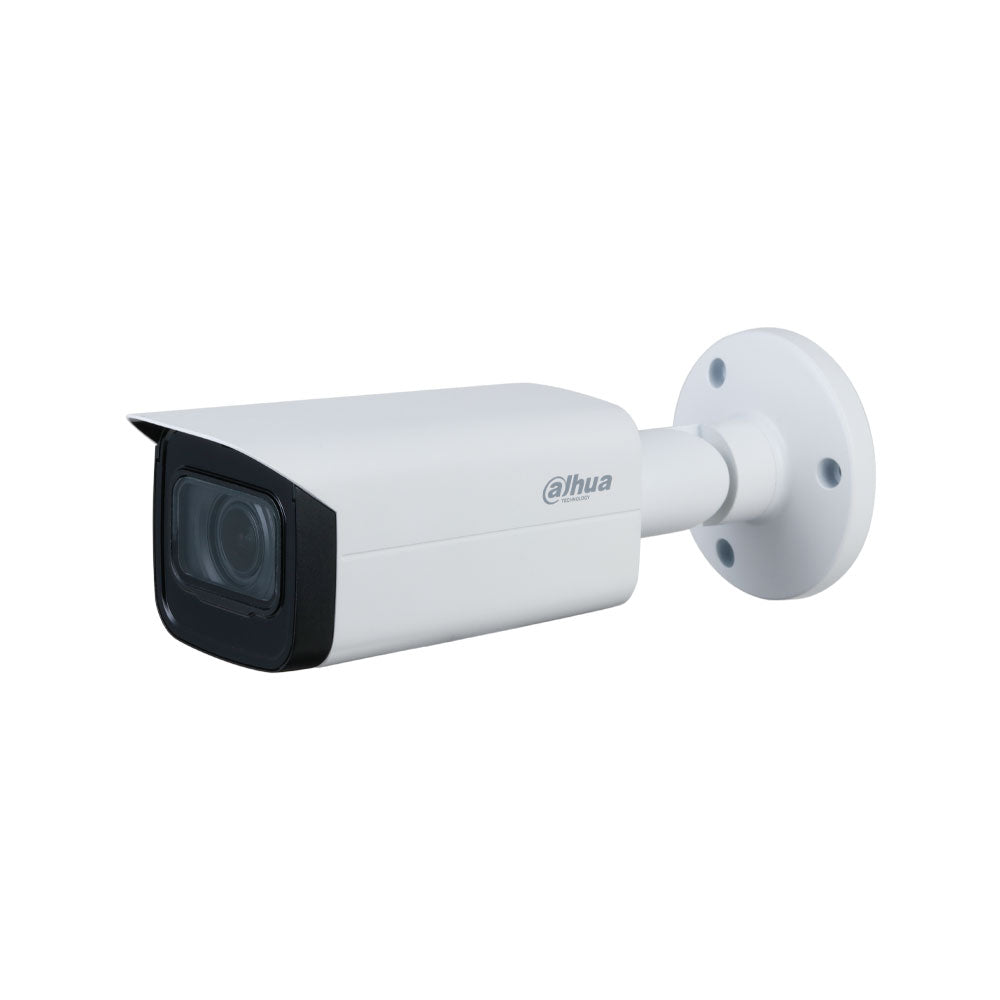
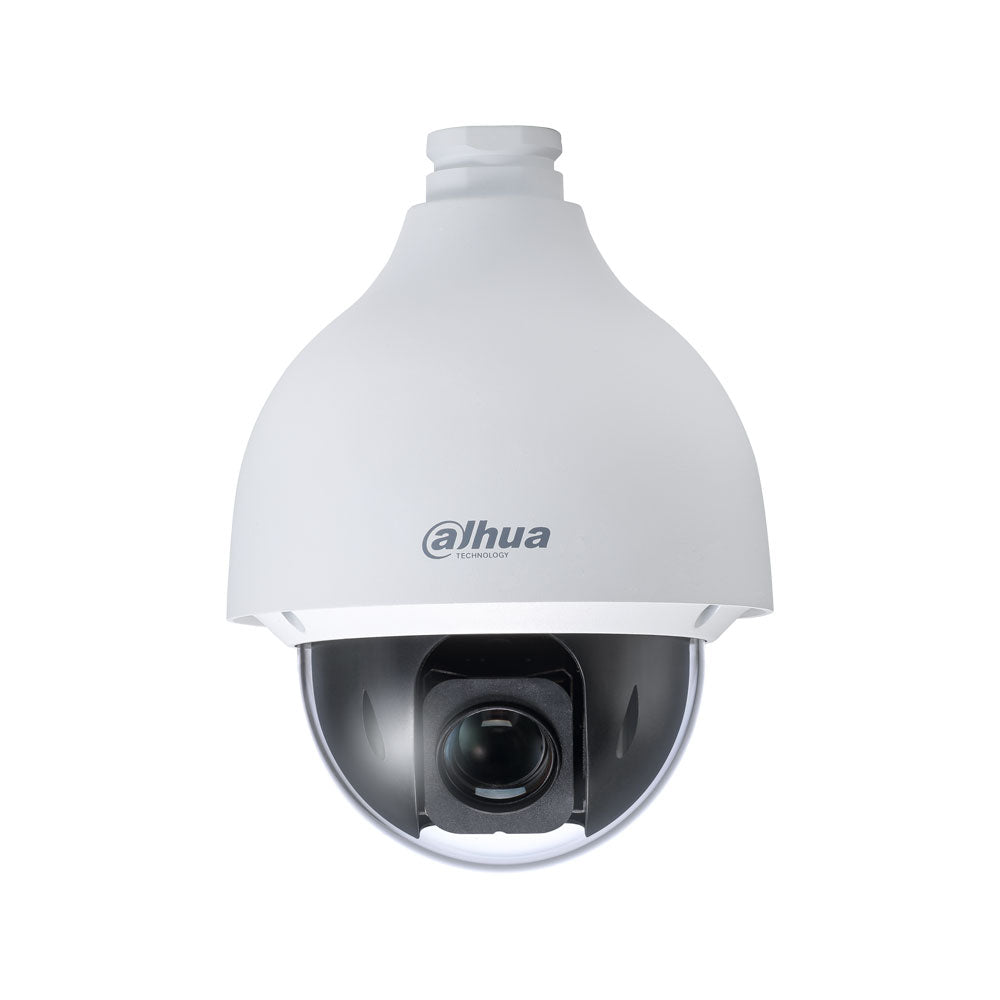
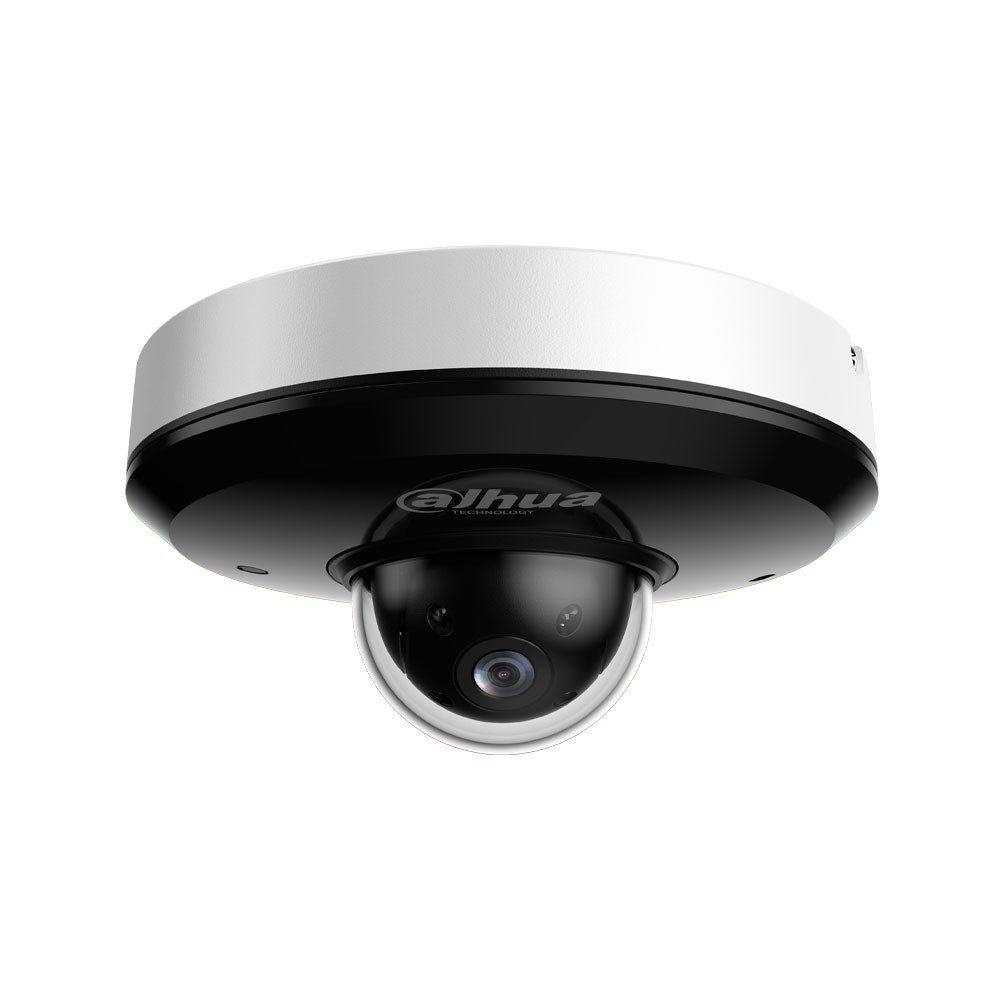
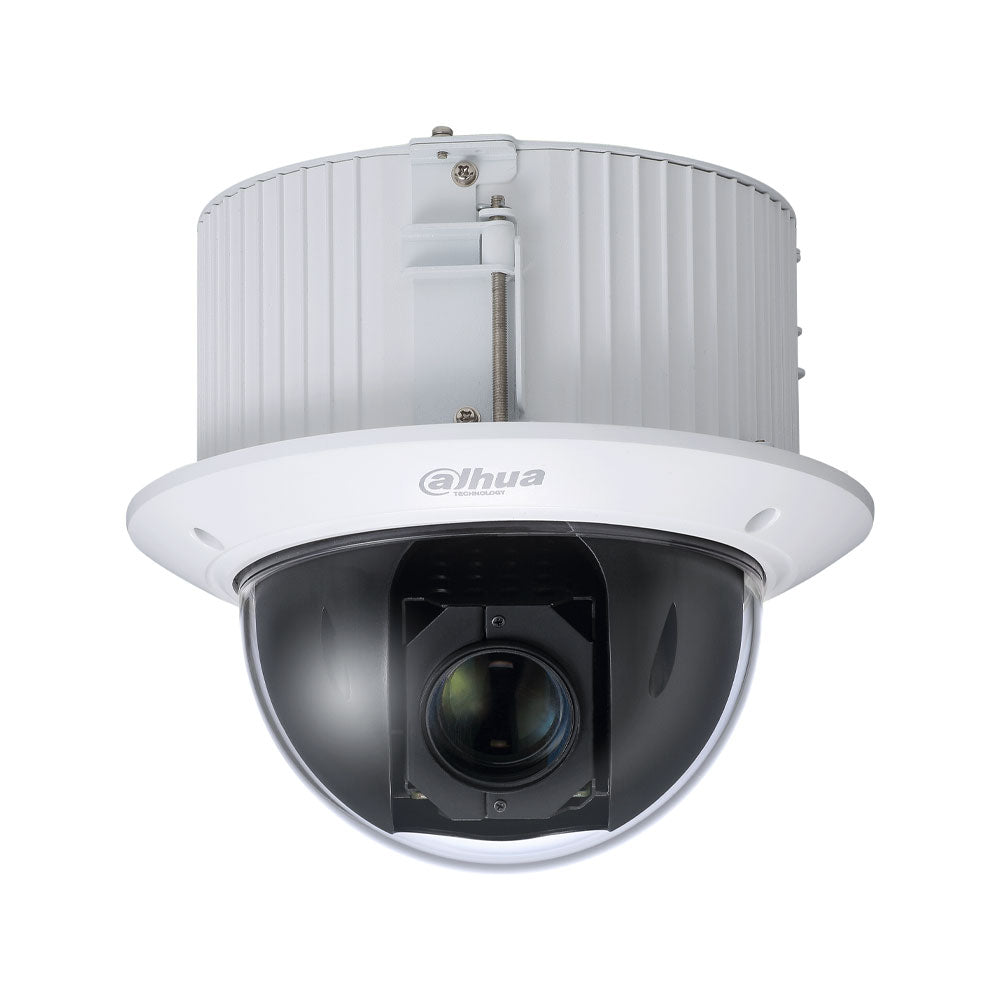
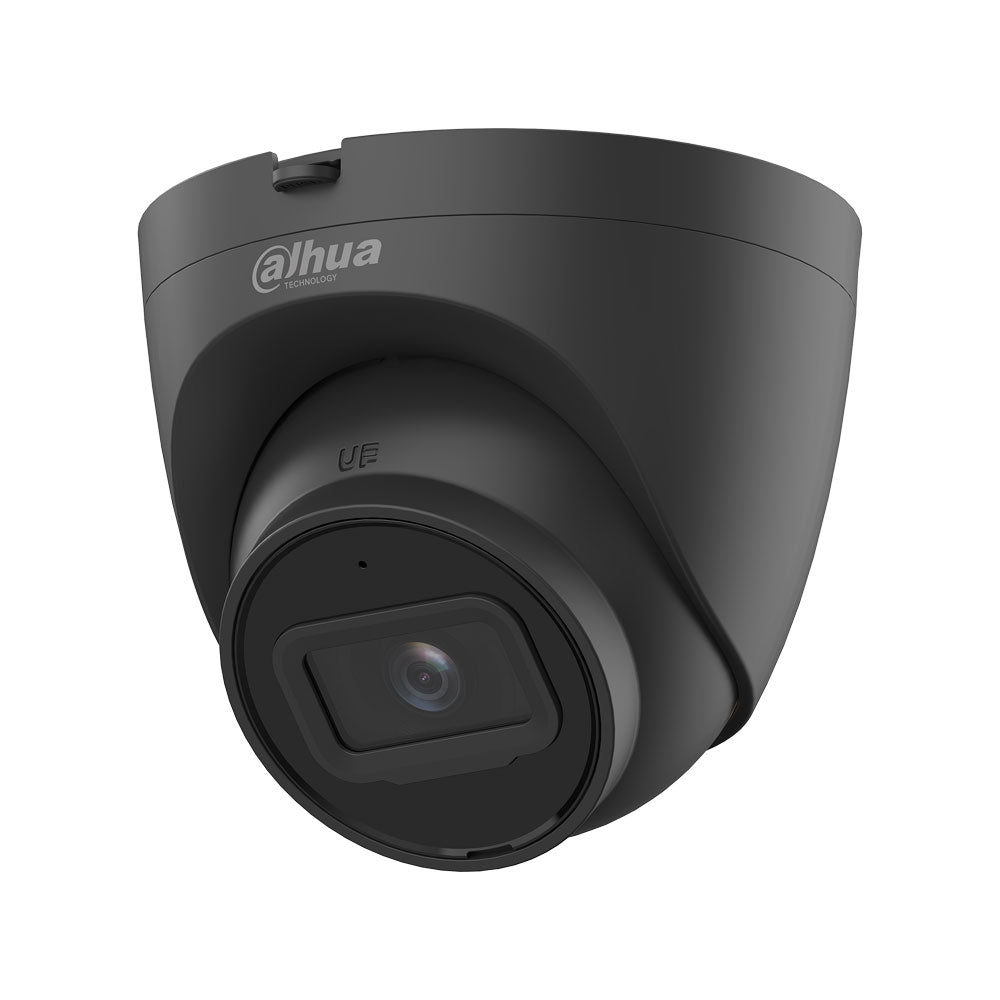
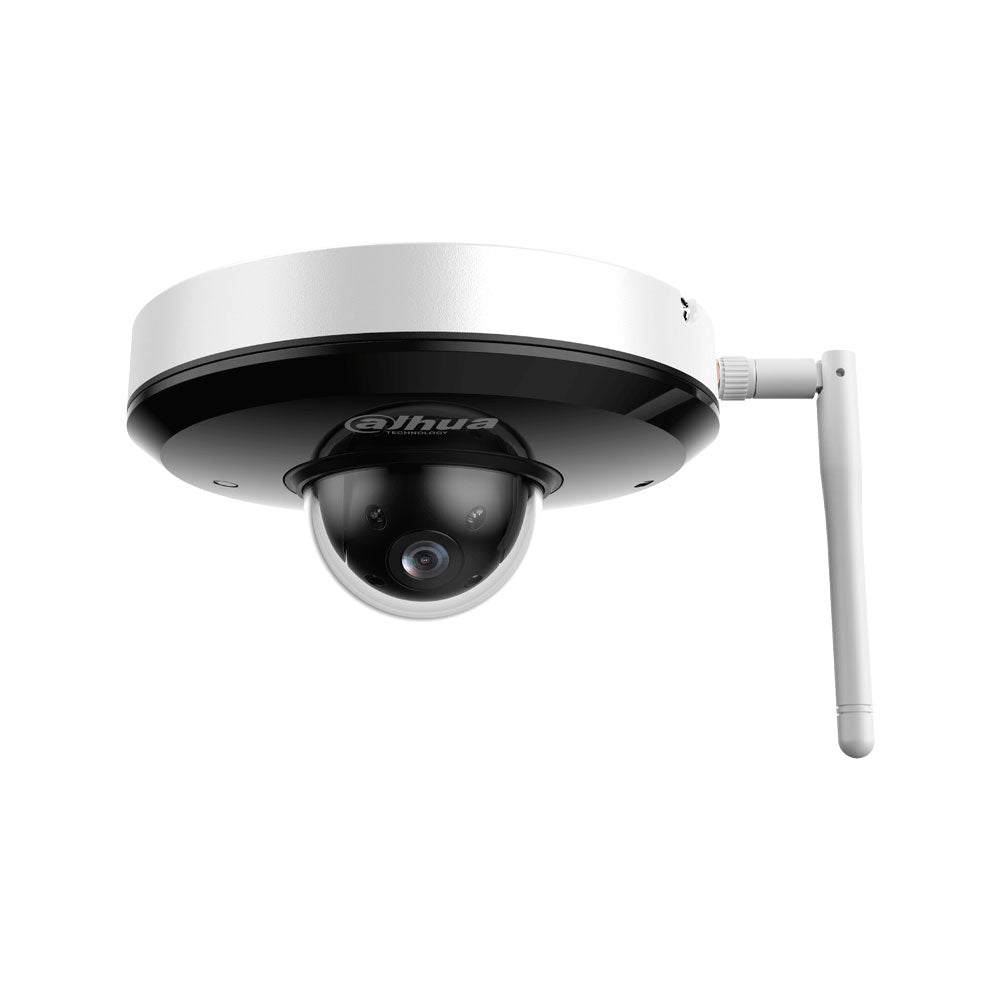
Then comes the form. Domes are discreet and vandal-resistant, suitable for interiors and ceilings. Bullets are visible and therefore deterrent, usually with better infrared range: they dominate outdoors. Motorized PTZ cameras can be controlled remotely and cover vast areas with a single camera.
2. The Recorder
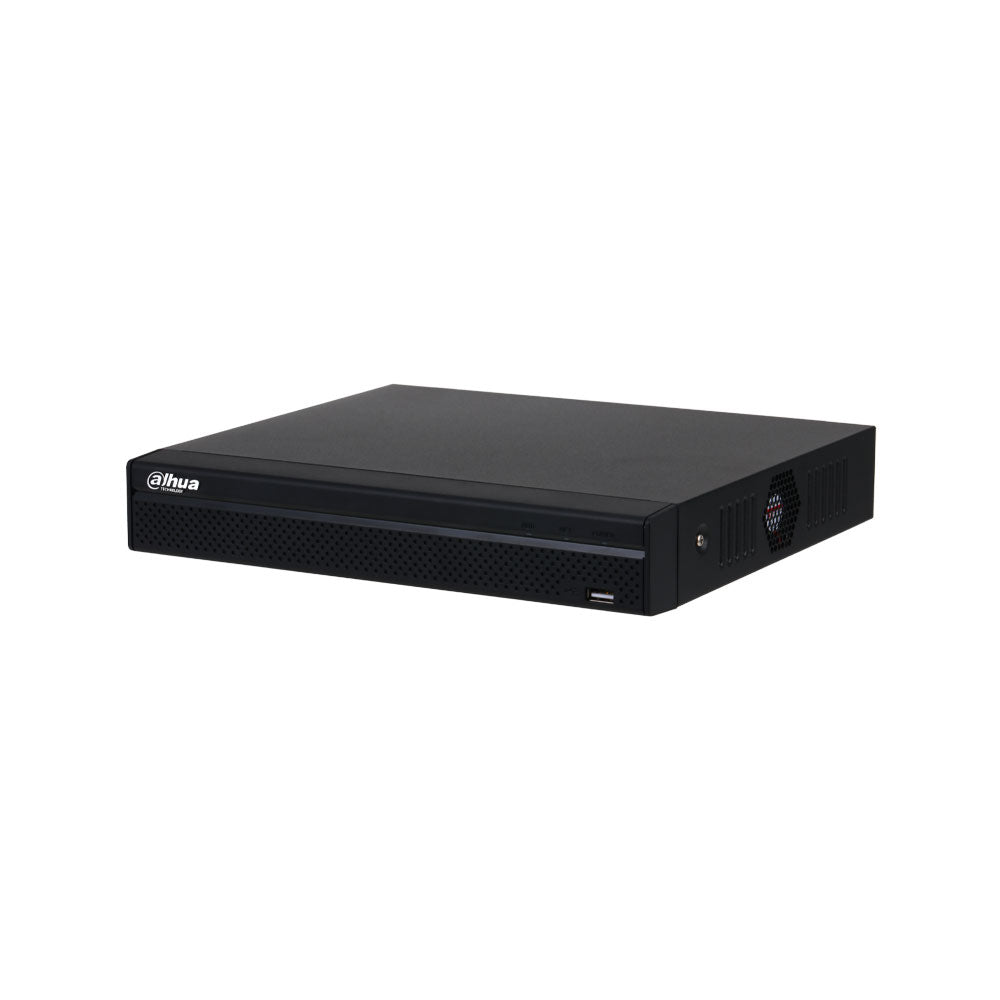
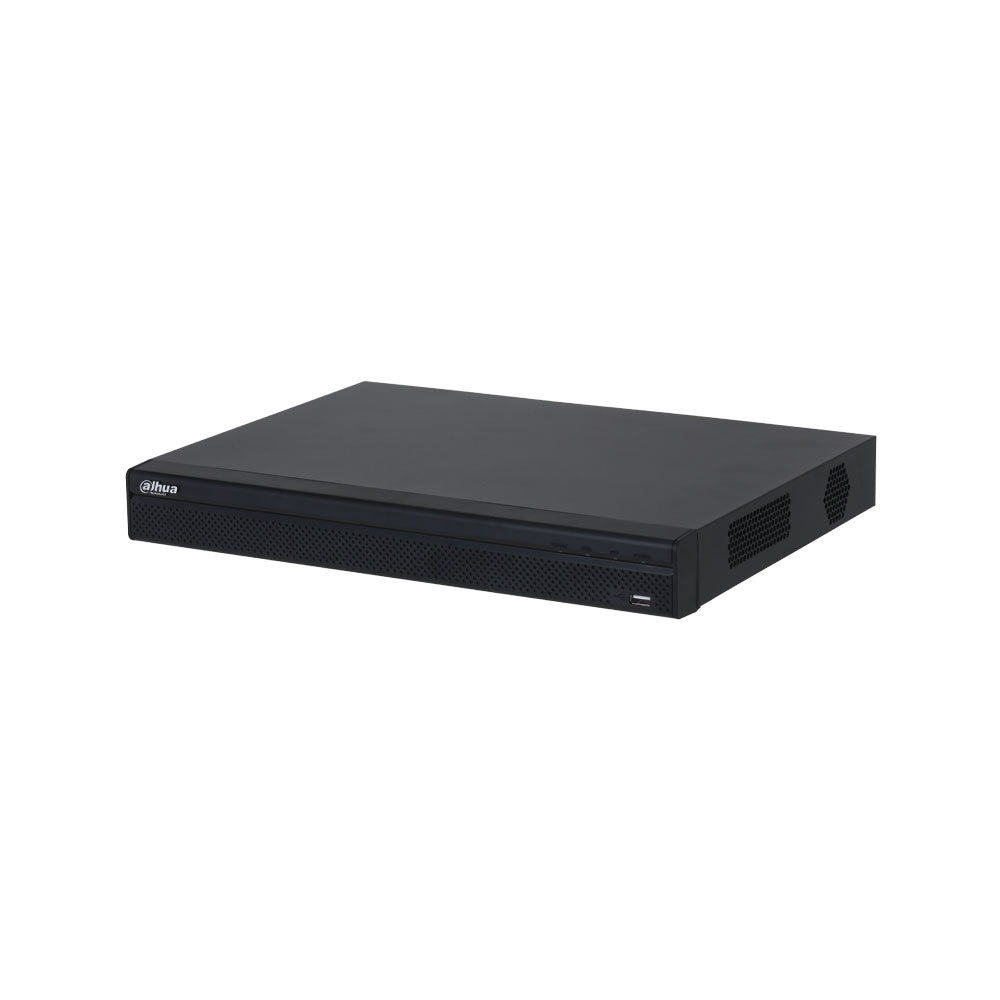
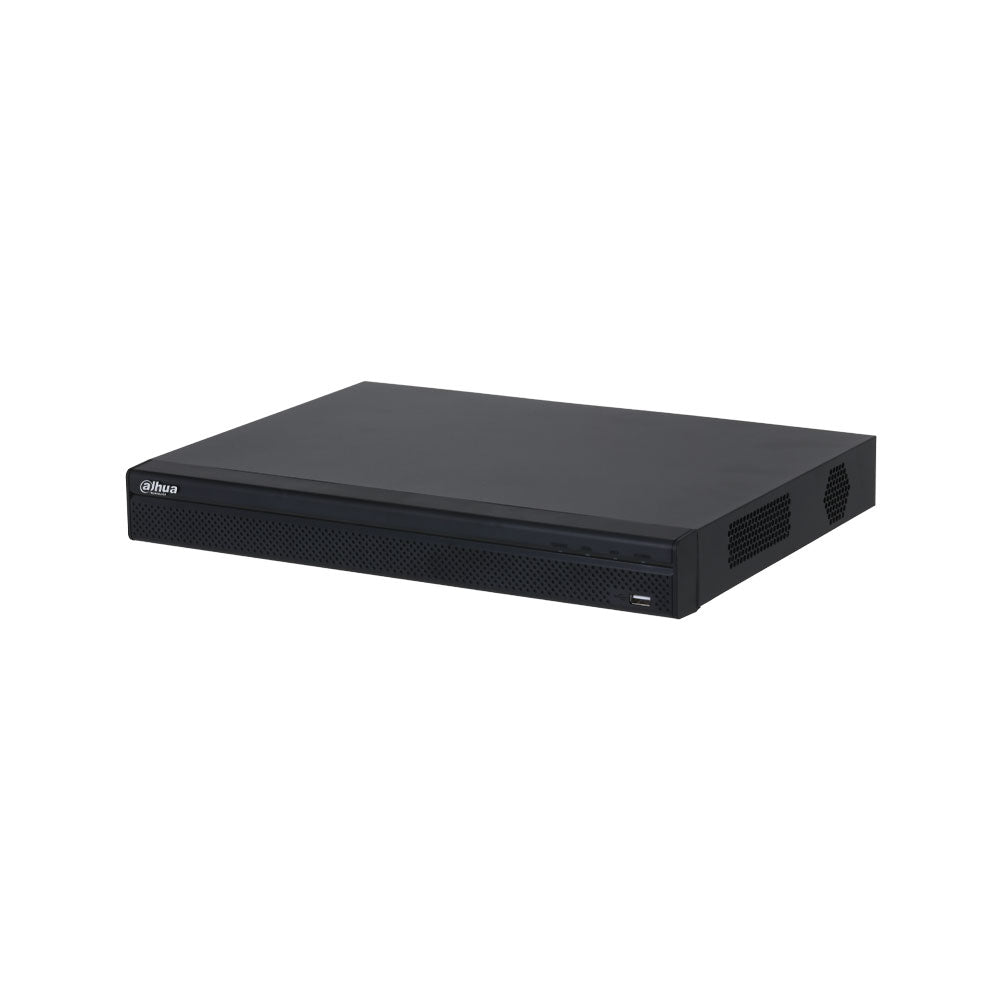
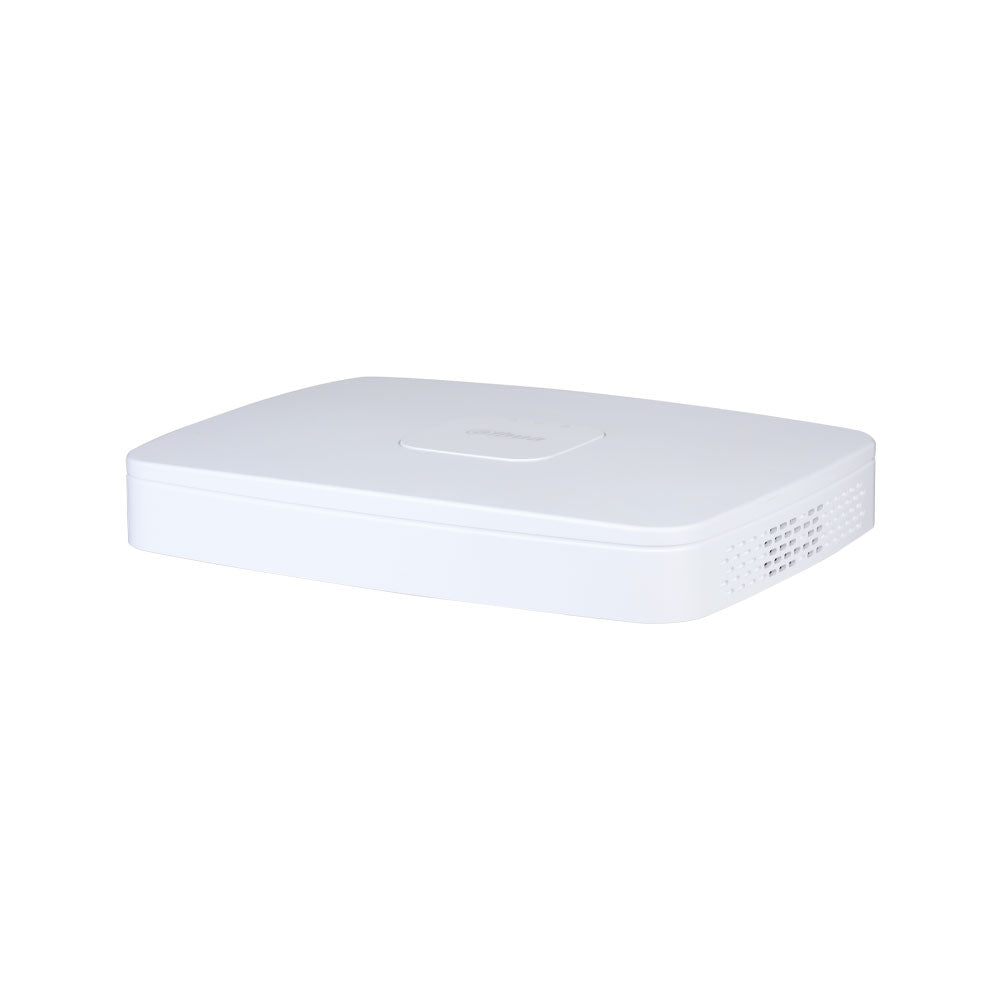
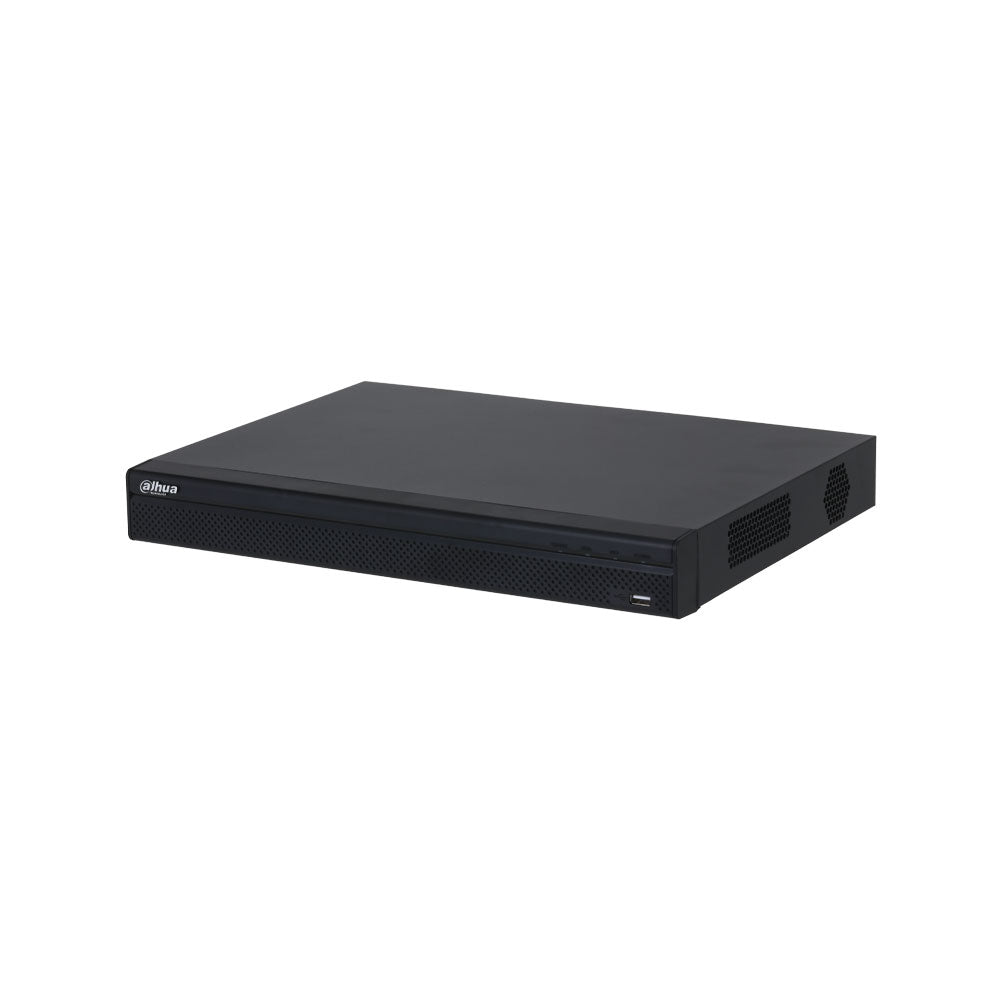
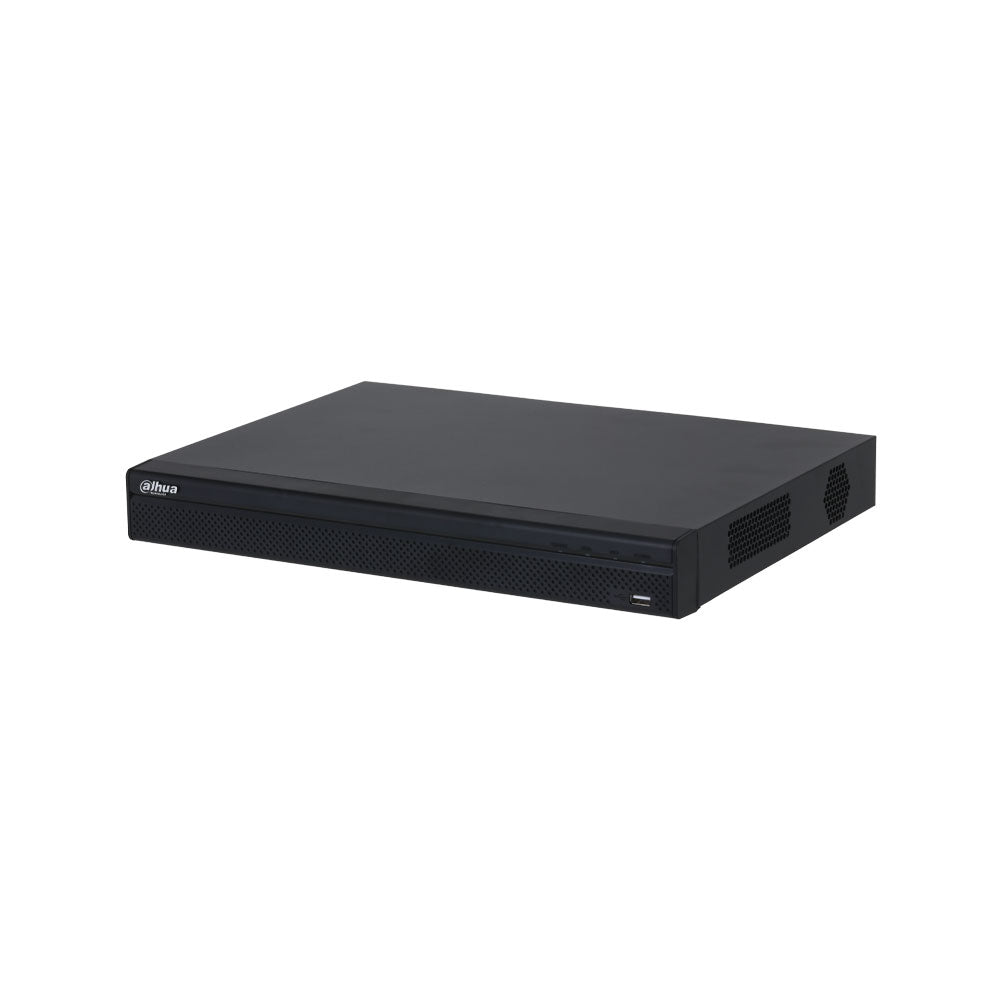
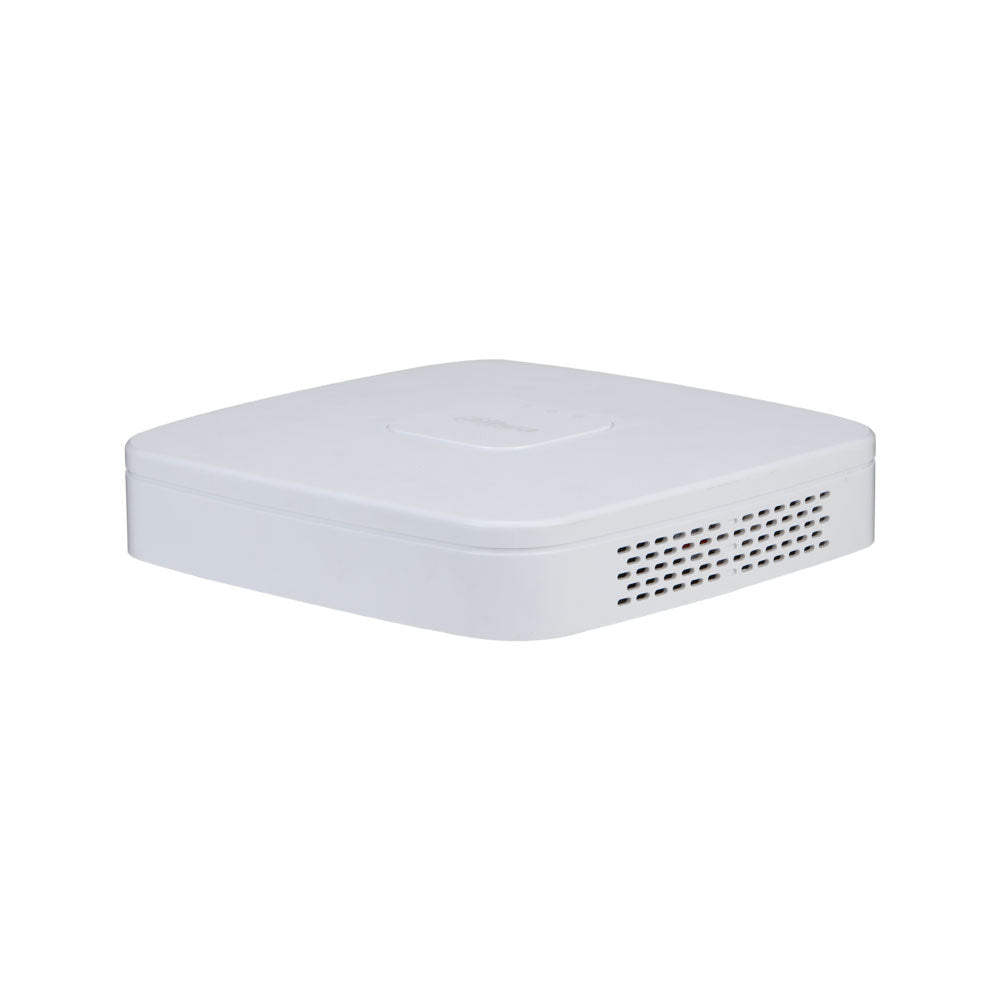
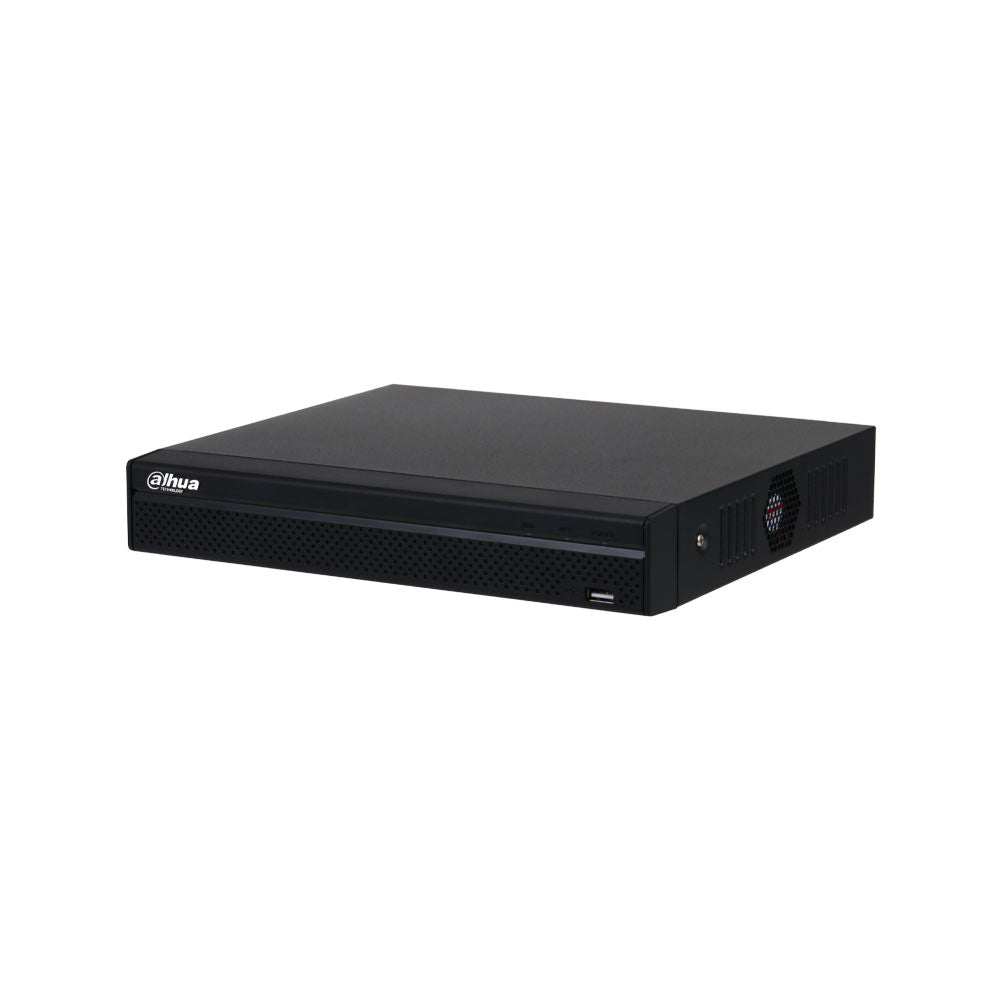
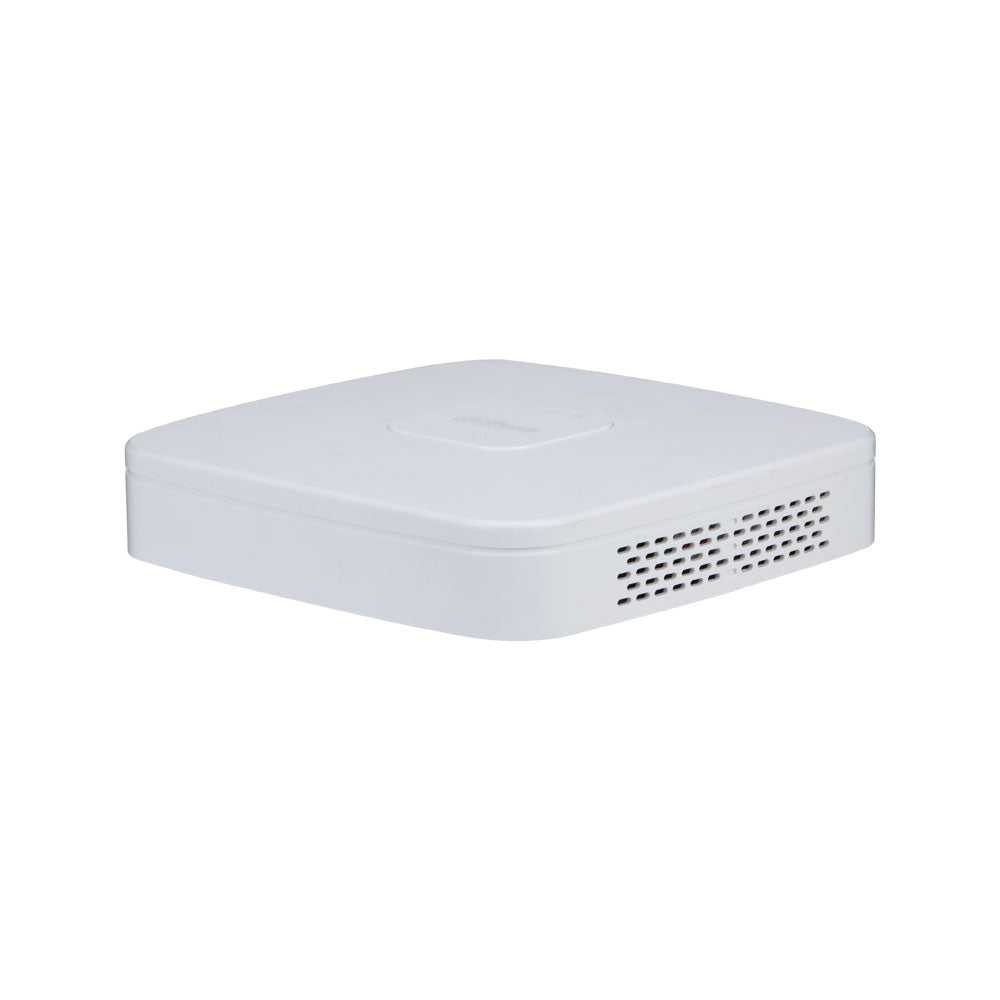
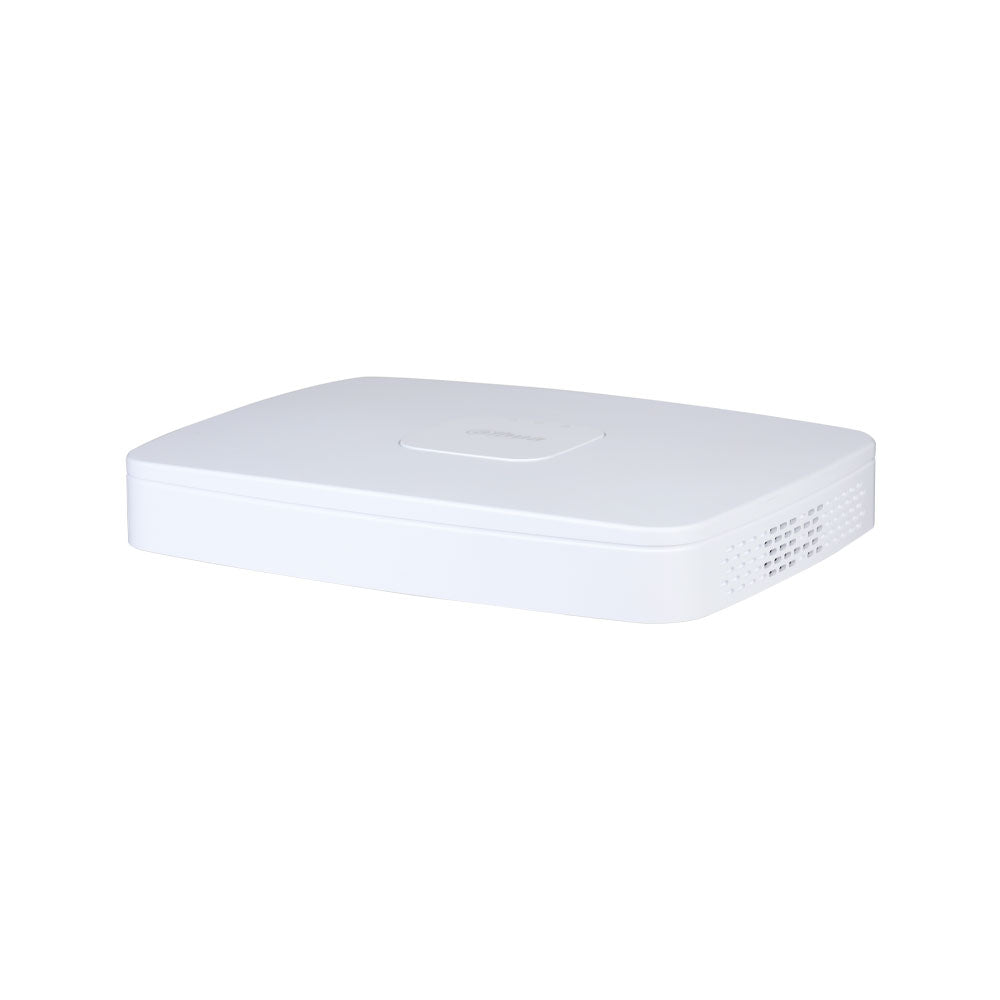
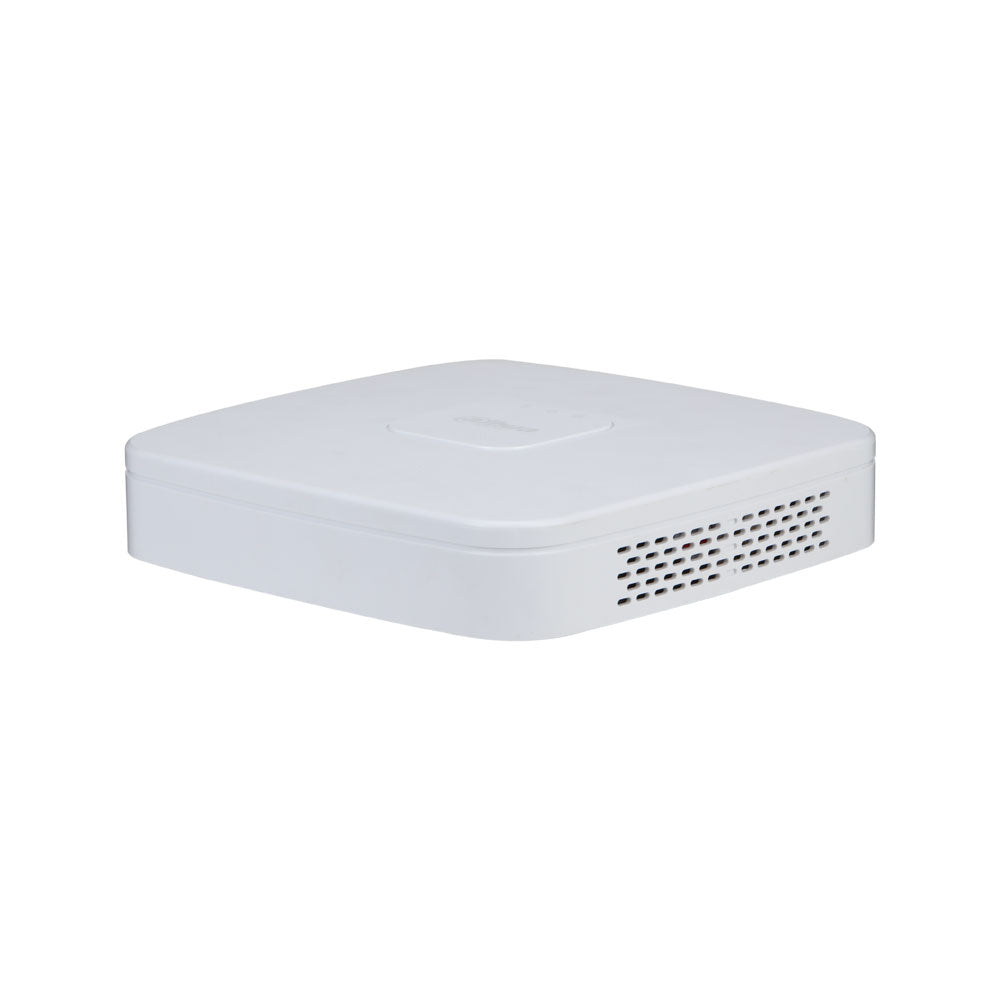
The NVR records IP cameras over a network. The XVR accepts analog HDCVI cameras in addition to IP cameras: this is the choice for renovation, when coaxial cable already exists.
Simple rule: choose a recorder with at least two more channels than your number of cameras. An installation always grows, and upgrading to a higher model costs much more than having planned broadly from the start.
Opt for a PoE model: the recorder powers the cameras via the network cable, eliminating the need for separate power supplies on site.
3. The Hard Drive
An office hard drive is not designed for video surveillance: it writes continuously 24 hours a day, 365 days a year. Use a surveillance drive, designed for this workload. As a general estimate, allow 1 to 2 TB per 4 MP camera for thirty days of archiving with motion detection recording.
WizSense and WizMind
Dahua offers its embedded intelligence in two families. WizSense provides human/vehicle distinction: the camera no longer triggers on a cat or a branch, which massively reduces false alarms and archiving volume. WizMind adds advanced analytics — people counting, license plate recognition, tripwire detection — for professional use cases.
Frequently Asked Questions
Can I view my cameras remotely?
Yes, via the DMSS application on smartphone and tablet, or from a browser. No subscription is required.
Do I need a recorder, or is an SD card sufficient?
An SD card can be a temporary solution for a single camera. For two or more cameras, or whenever archiving is important, a recorder is essential — if only because a thief can take the camera and the card with them.
Is Dahua compatible with Ajax?
Dahua cameras can be integrated into the Ajax application, but the two alarm systems (AirShield and Jeweller) are not interoperable with each other.
Is video surveillance declarative in Belgium?
Yes. Any camera installation must be declared via the online portal provided for this purpose, and appropriate signage must be displayed. The declaration is free.