Choosing a camera comes down to answering three questions in order: what resolution, what form factor, and what lighting conditions. Everything else follows from there.
What resolution?
2 MP (Full HD) — sufficient for monitoring a small room or hallway where subjects pass within three meters. Economical, very light on storage.
4 MP — the current standard, and our default recommendation. The detail allows for identifying a face or reading a license plate at a reasonable distance, without massively increasing archive volume.
5 MP — a step up, useful when the area is large but storage budget remains constrained.
8 MP / 4K — for large scenes: parking lot, facade, loading dock, warehouse. The real benefit is not the image beauty but the ability to zoom into the recording afterwards without losing detail.
12 MP and fisheye — to cover 360° with a single camera, typically on the ceiling of a retail store.
Dome, bullet, or turret?
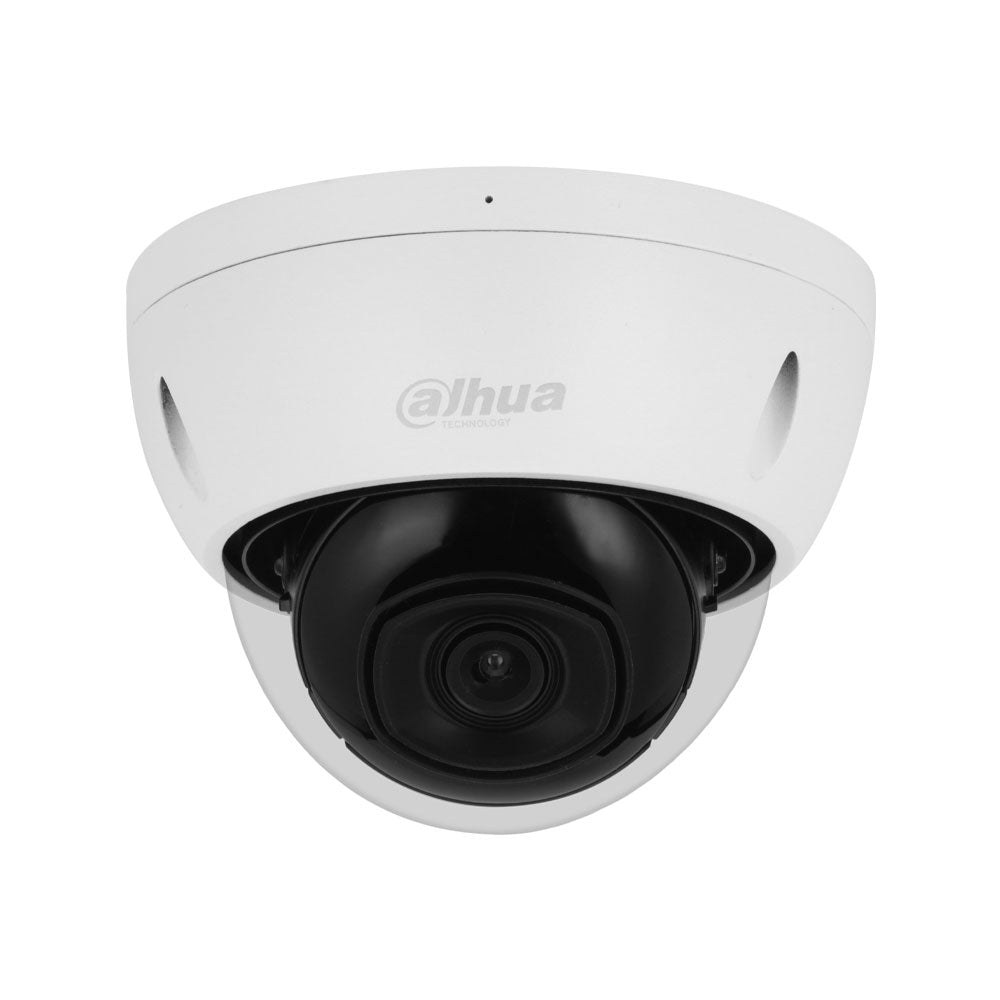
The dome is discreet, vandal-proof, and doesn't reveal where it's pointing. It's installed on the ceiling, indoors or under an awning.
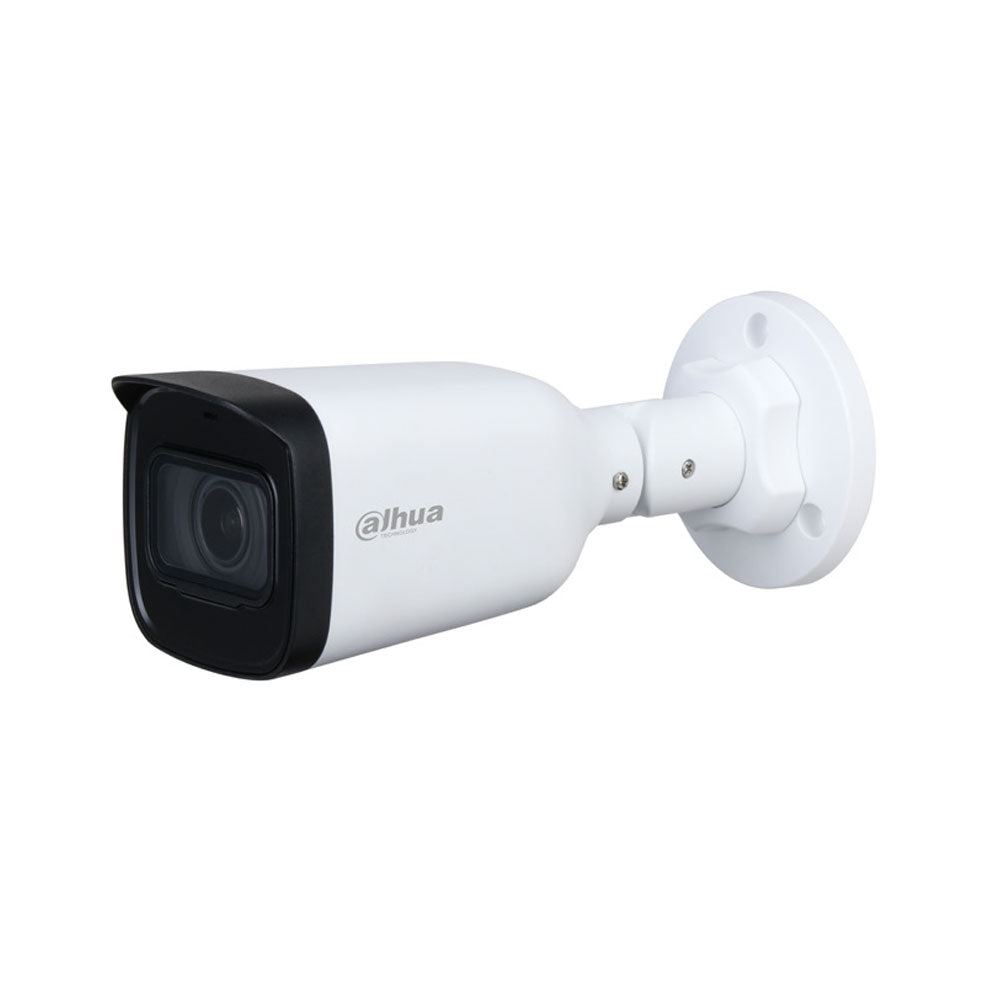
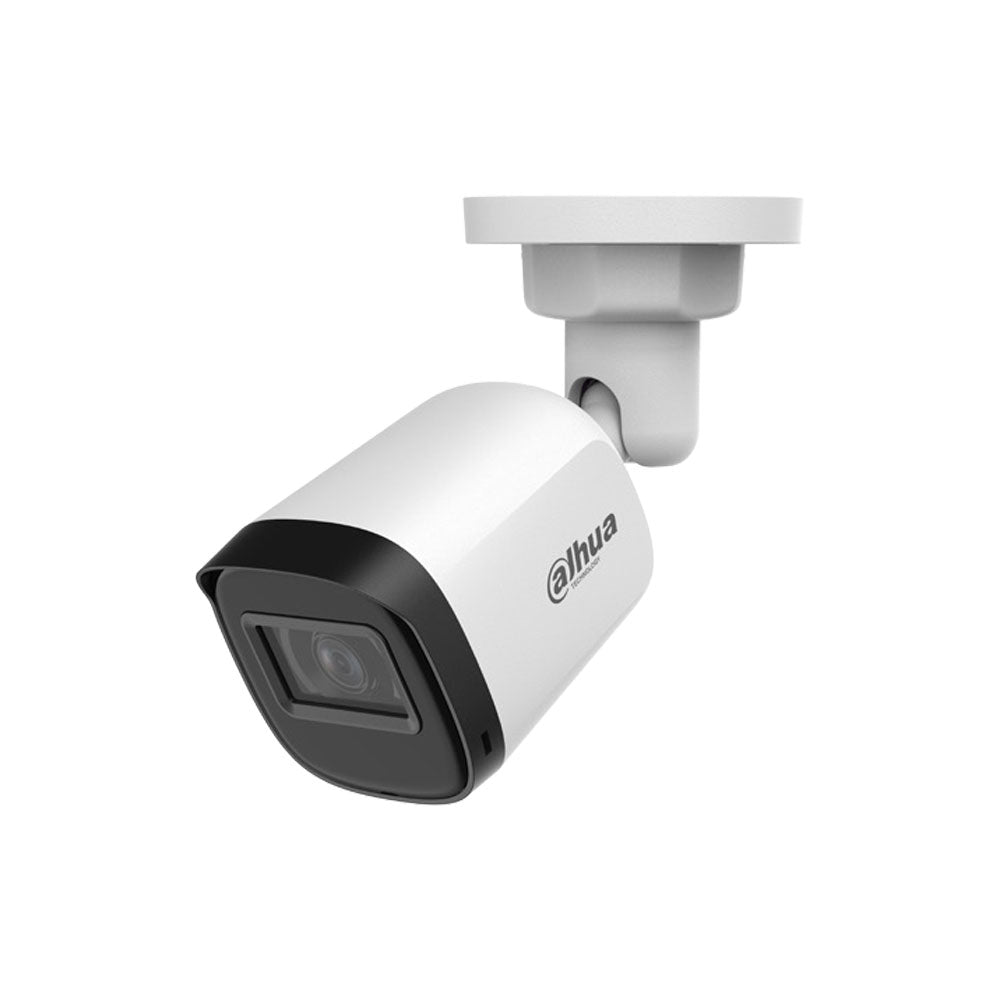
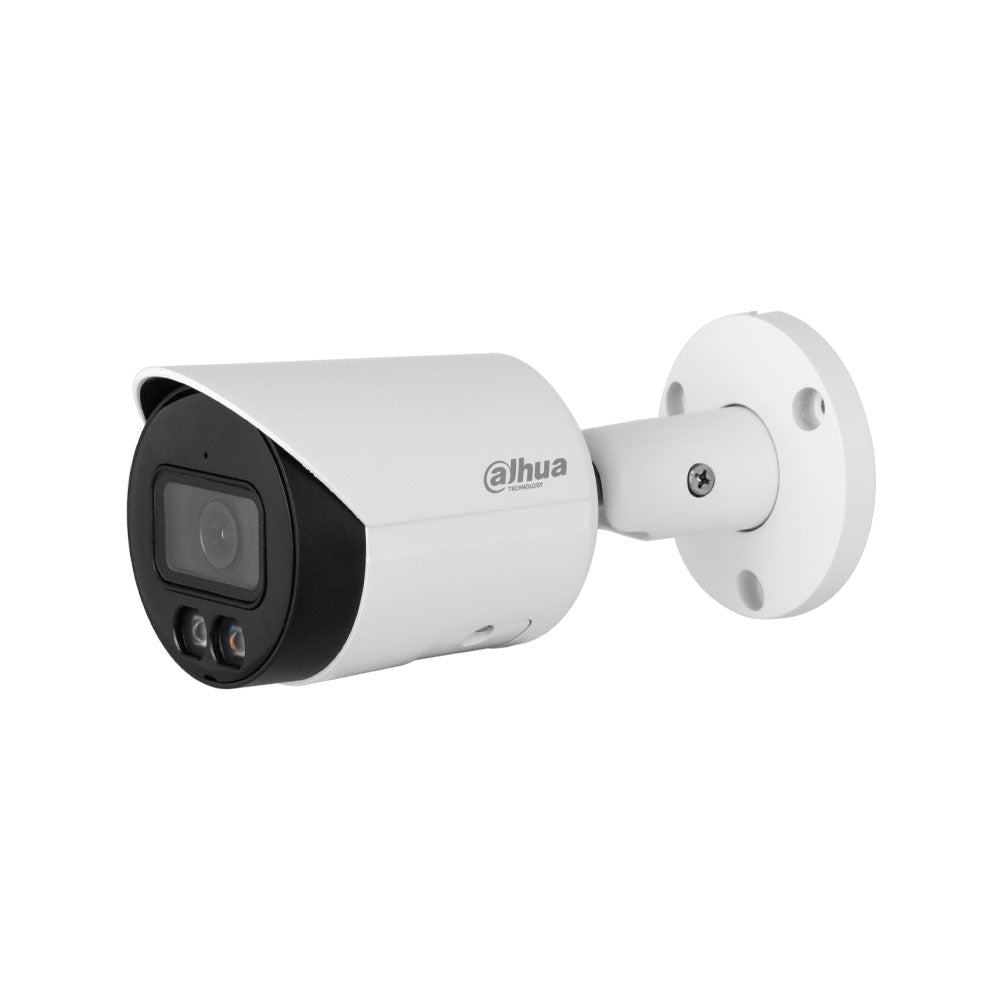
The bullet is visible, and that's its advantage: a visible camera deters. Its elongated shape houses a more powerful infrared block, resulting in better night vision. It's the dominant choice for outdoors.
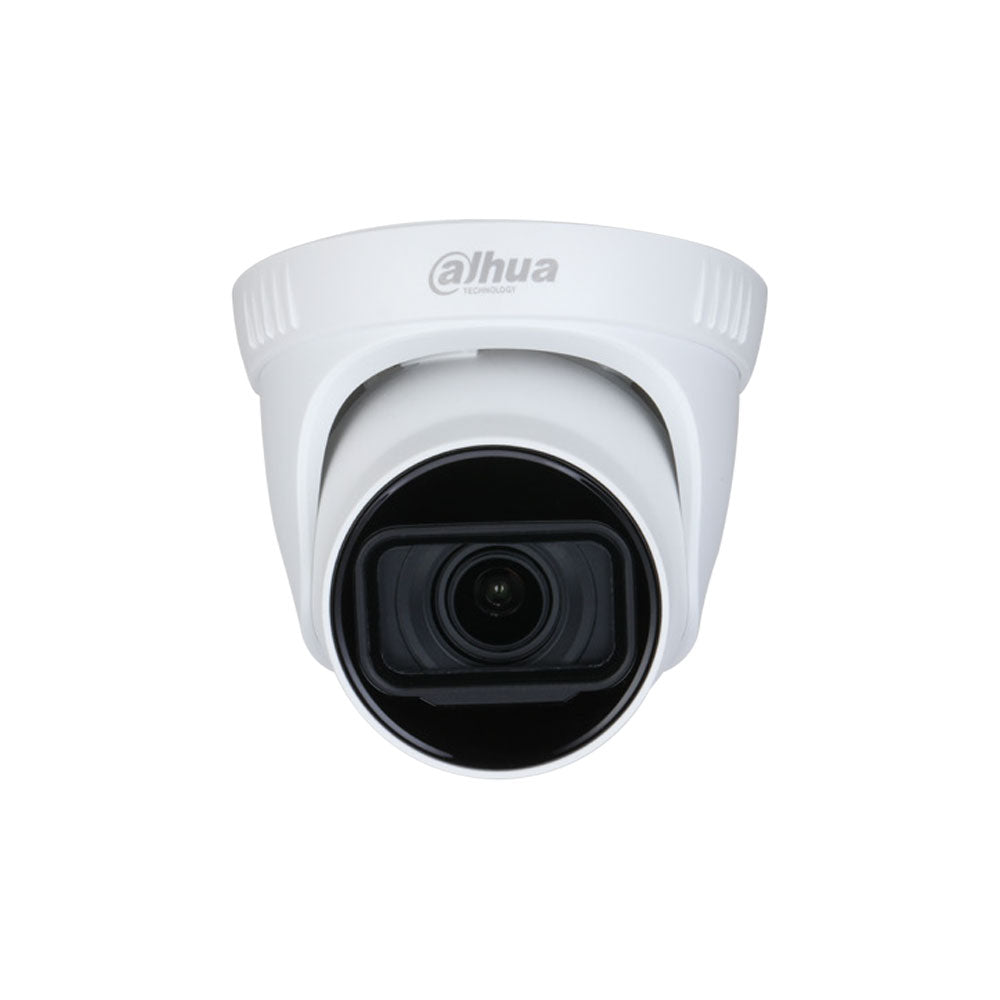
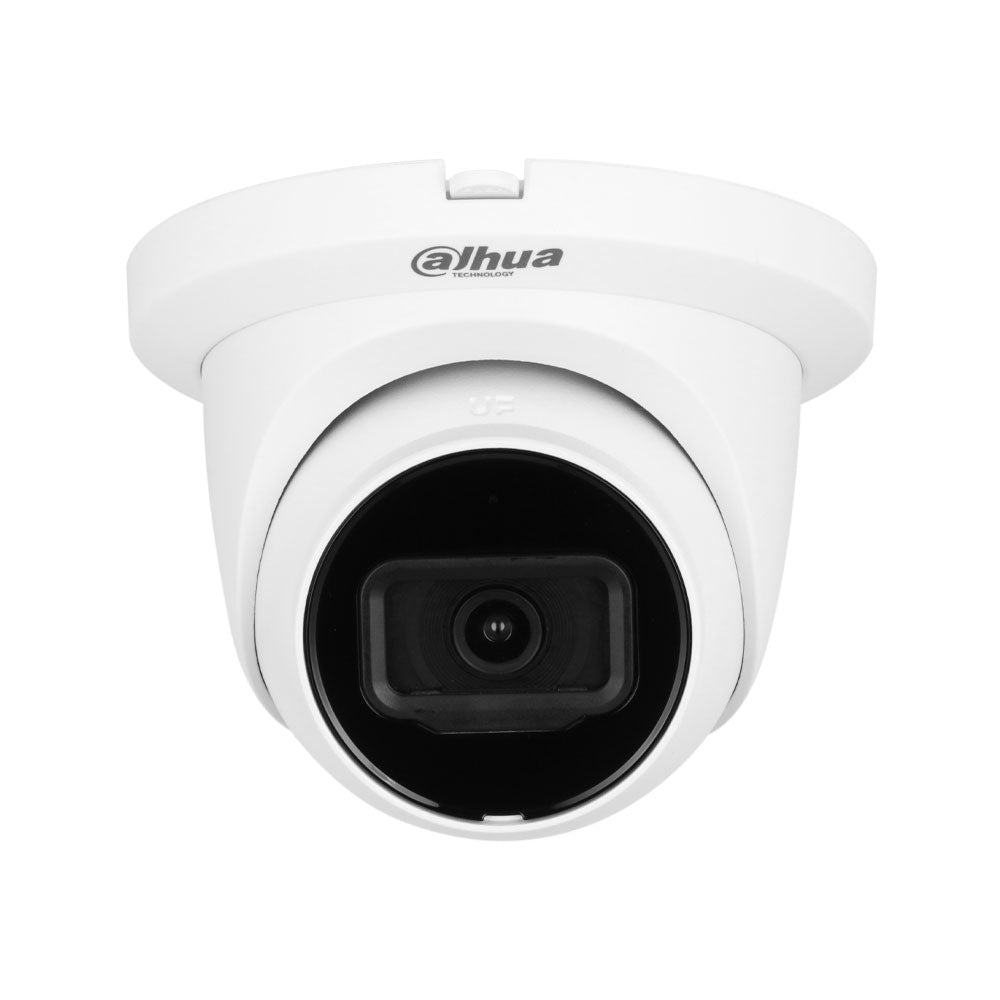
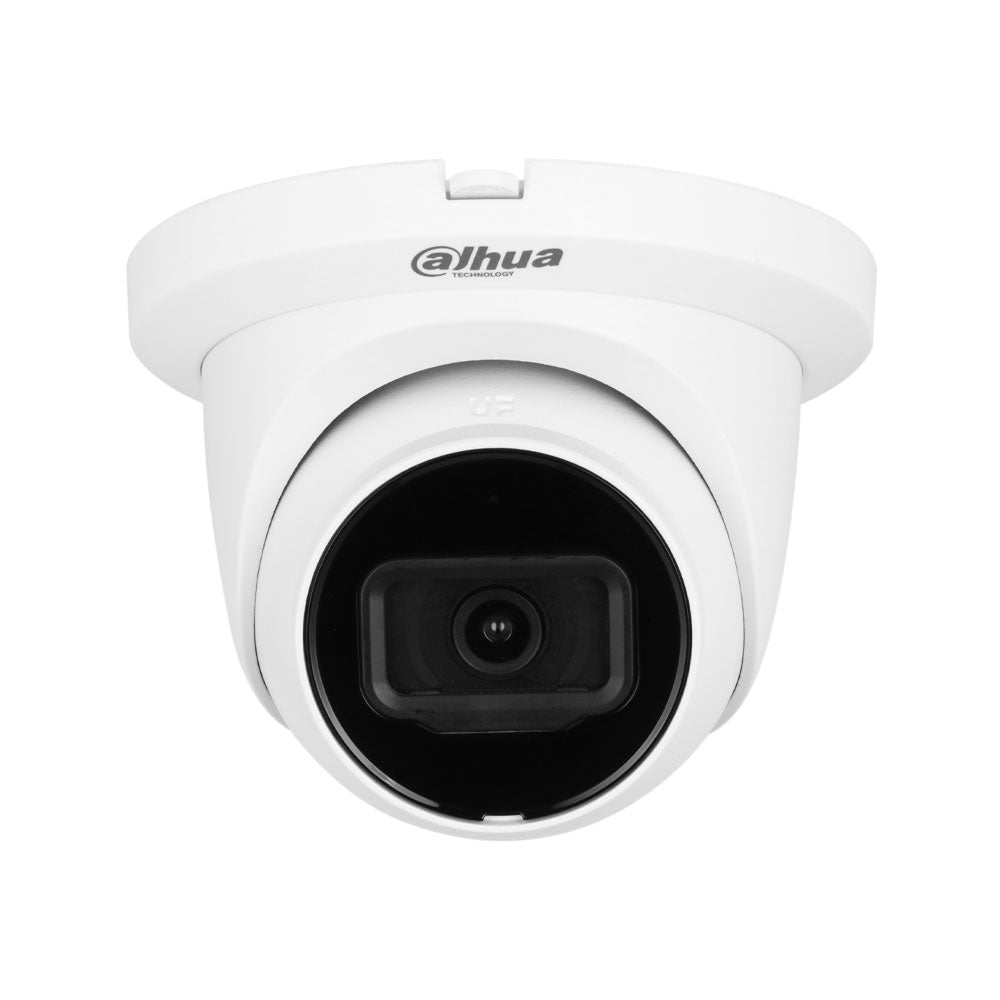
The turret (or eyeball) combines both: compact like a dome, adjustable like a bullet, and without the plexiglass bubble that causes infrared reflections.
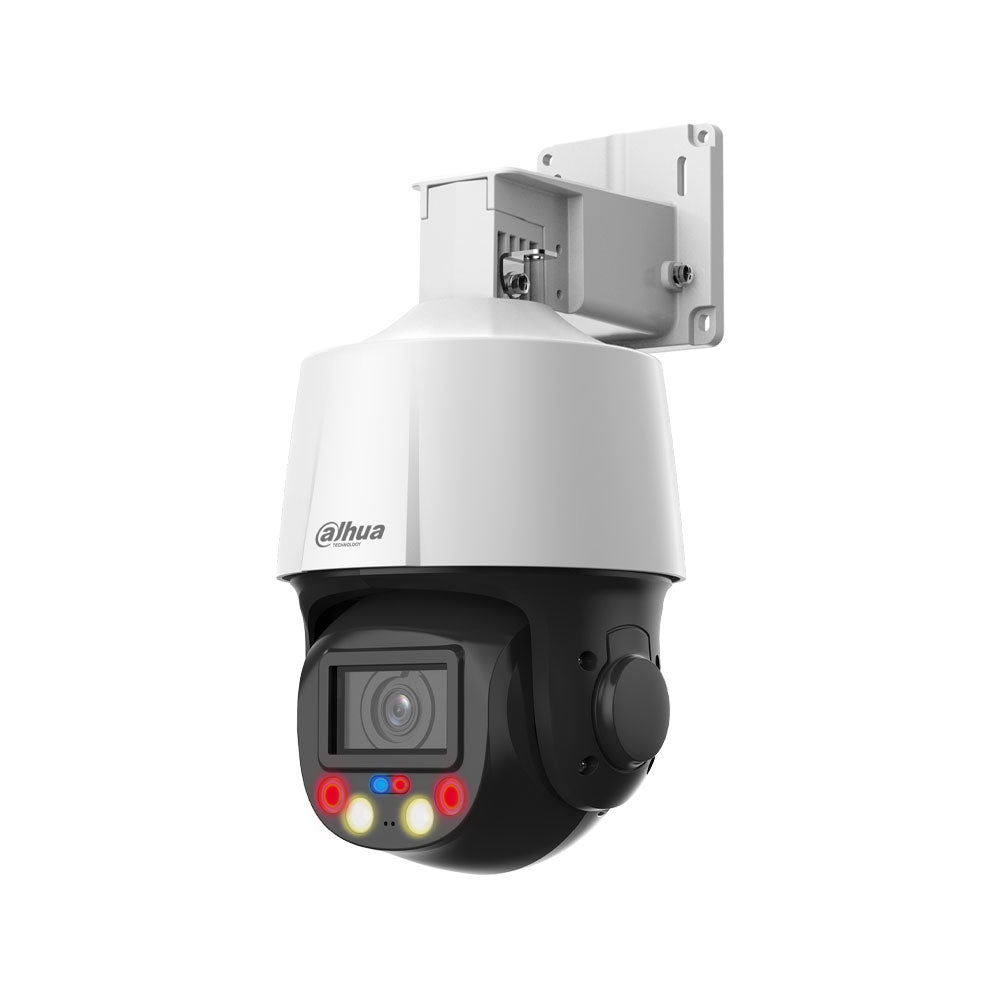
The motorized PTZ pivots, tilts, and zooms remotely. A single PTZ can sometimes replace four fixed cameras — provided a person or automation controls it.
Night vision: IR or color?
Infrared cameras see in complete darkness, but in black and white. Full-Color models retain color at night thanks to a more sensitive sensor and white illumination. The color of clothing or a car often makes all the difference in identification: for a main access point, Full-Color is worth the extra cost.
WizSense: Fewer false alarms
WizSense cameras distinguish between a human or a vehicle and everything else. In practice, the camera stops notifying you about a cat, a branch, or a change in light. The benefit is twofold: alerts you can actually act on, and significantly reduced recording volume.
Outdoor: What to watch out for
Check the IP66 or IP67 rating for waterproofing, and IK10 if the camera is accessible and exposed to vandalism. Also check the advertised infrared range: 30 m is sufficient for a facade, 50 to 60 m is needed for open ground.
Frequently Asked Questions
How many cameras for a house?
Four usually provide good coverage: main entrance, rear, driveway or garage, and an overview of the property.
Is PoE necessary?
Yes, whenever possible. A single network cable provides both video and power, which cuts installation time and eliminates power adapters outdoors.
Can I mix resolutions?
Yes. It's even recommended to use 8 MP for wide areas and 4 MP for narrow passages, rather than 8 MP everywhere.